
Last updated November 2, 2026
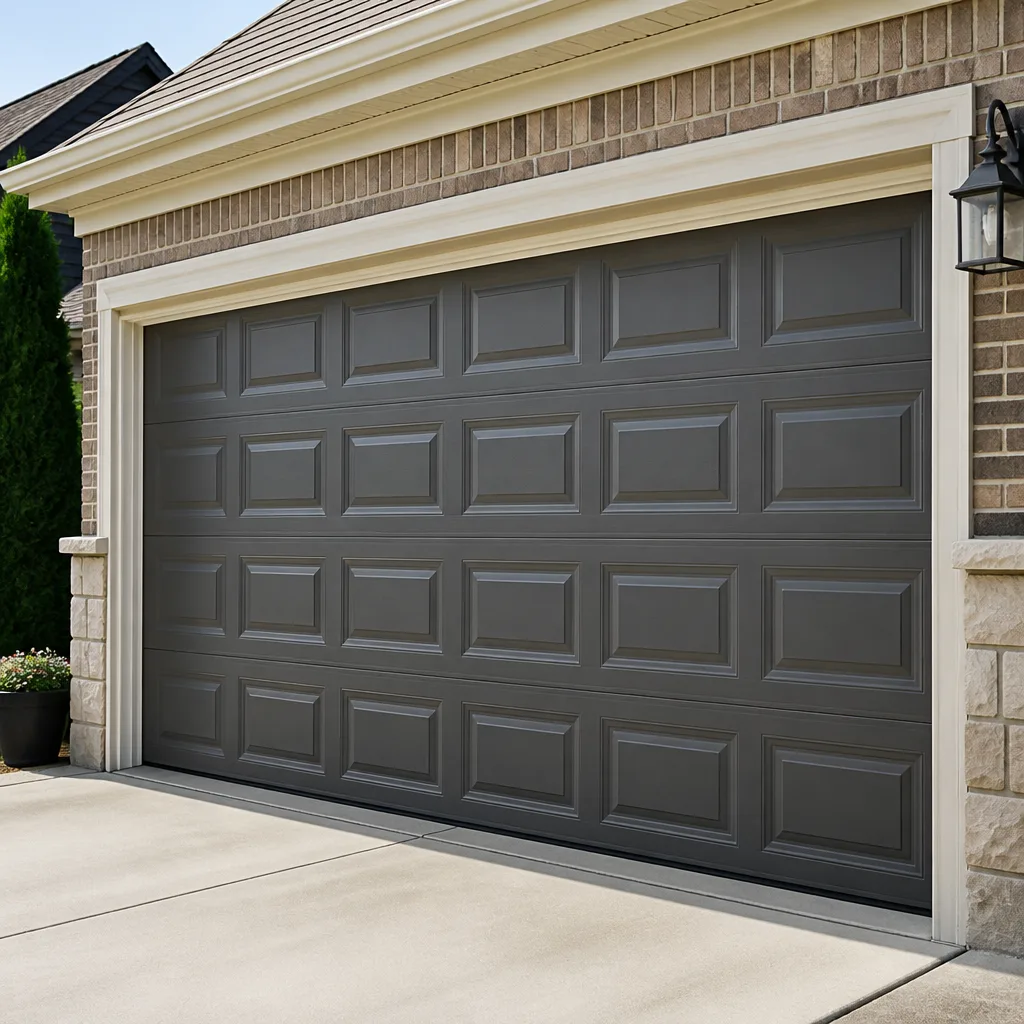 Raised-panel steel
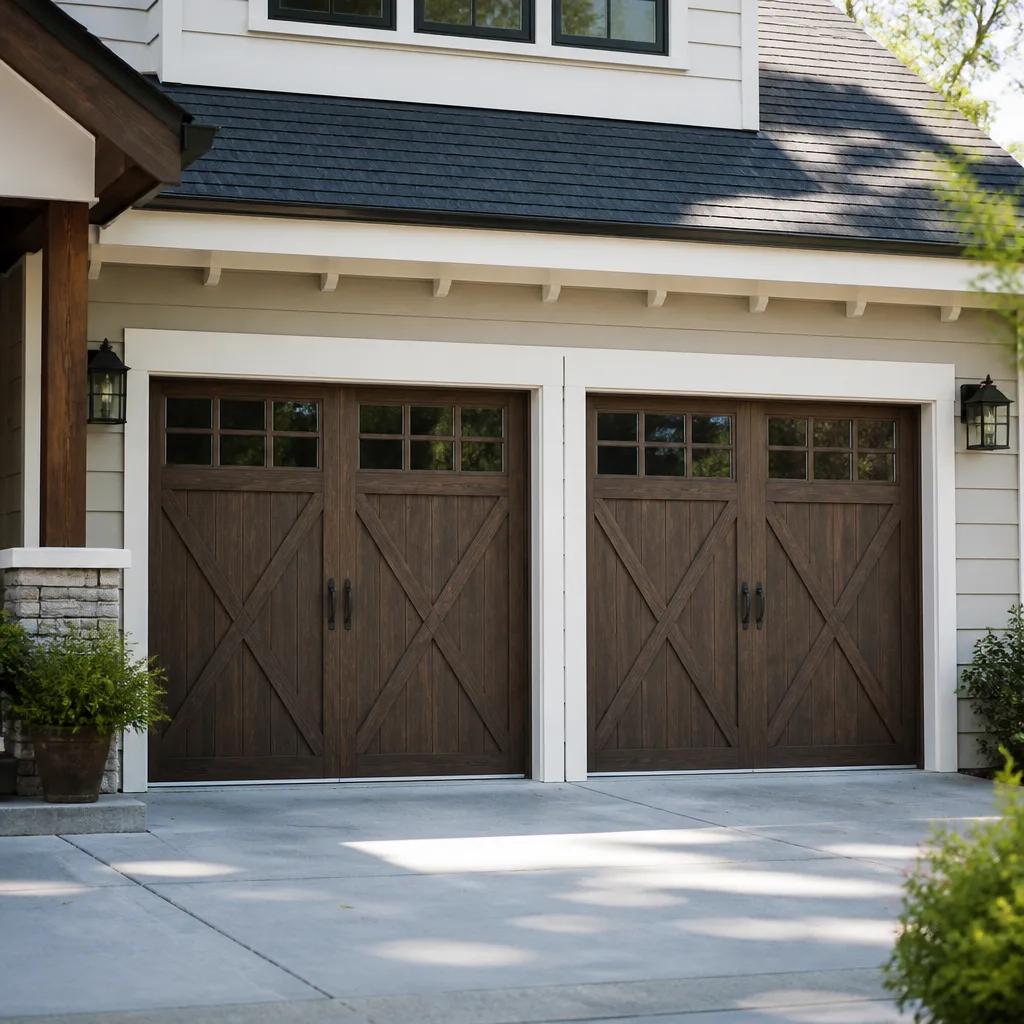 Carriage house
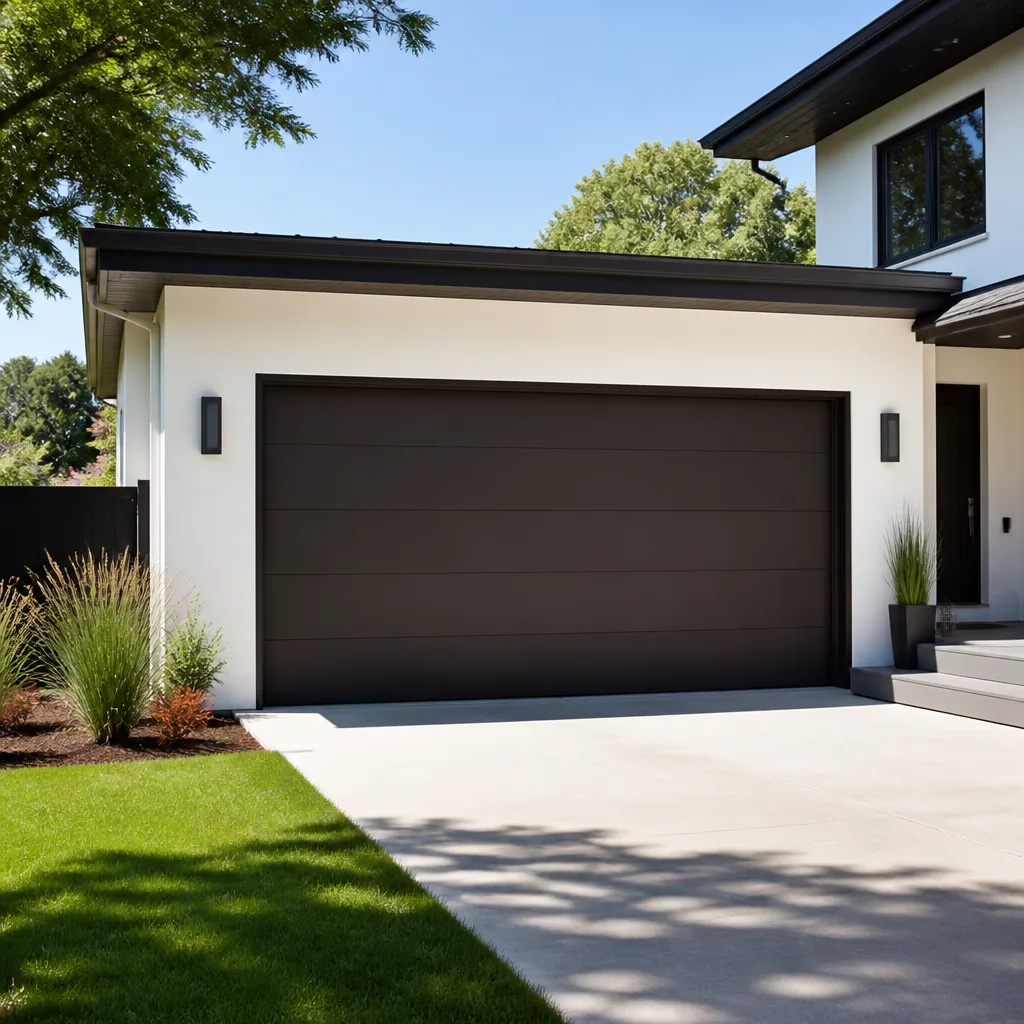 Modern flush
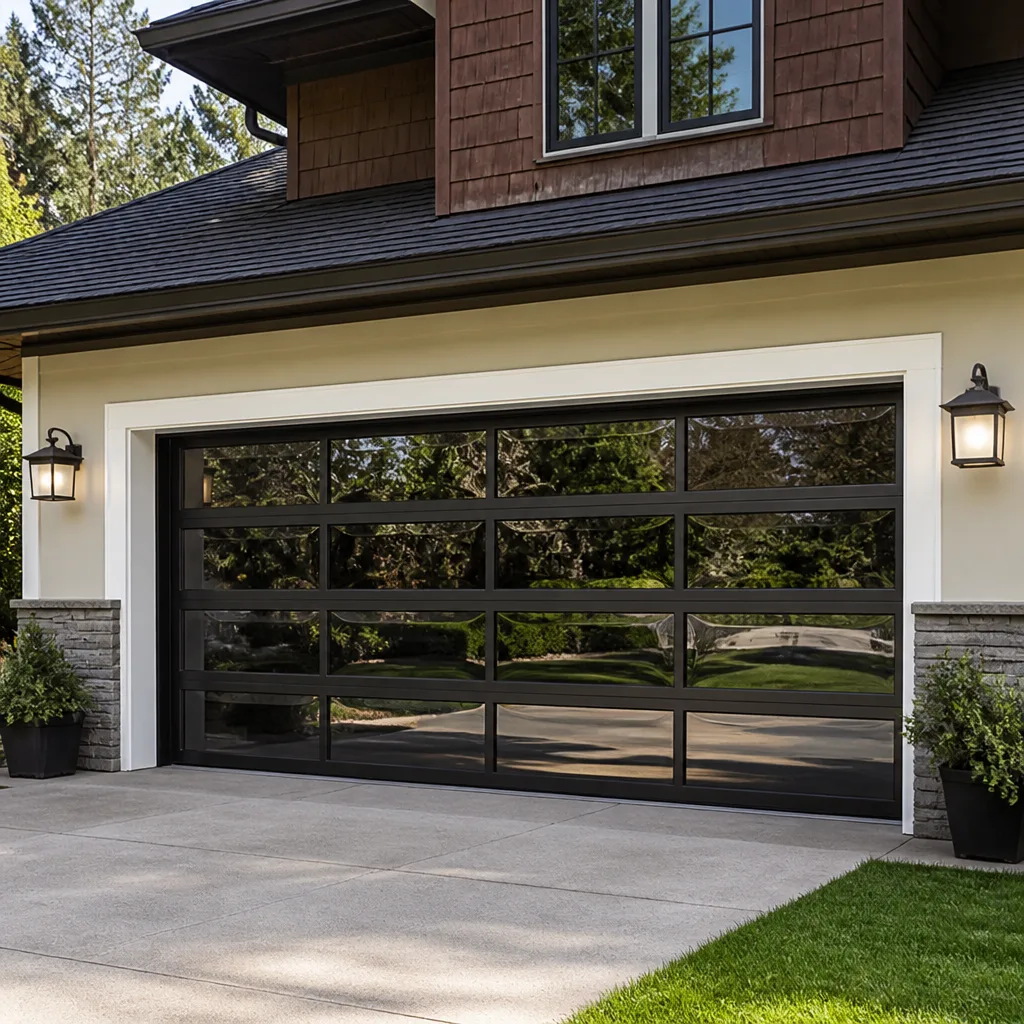 Full-view glass
 LiftMaster openers
 Chamberlain openers
Full 25-point door and opener safety check with every visit - springs, cables, rollers, tracks, and your LiftMaster or Chamberlain opener included
You get a price before we start. It does not change when the truck arrives.
Get your free estimateGarage Door Permits, Codes & Inspections in CA: What You Need to Know
A garage door replacement is one of the most common unpermitted jobs flagged during California home sales escrow. Not because homeowners are cutting corners intentionally, but because no one told them a permit was required. We see this pattern in Gardena regularly: a seller gets two weeks from closing and learns the garage door they installed three years ago never went through the city. By the time we’re called, it’s a rush job with a closing deadline attached. This guide covers exactly when California requires a permit for garage door work, what inspectors look for, how to handle an unpermitted door during a sale, and what the codes actually say. For Garage Door Repair Troubleshooting: Common Problems and How to Fix Them, see our dedicated resource. You’ll learn the triggers most people miss, the UL 325 opener standard inspectors enforce, and how Gardena’s jurisdiction works.
Quick Answer
In California, a building permit is generally required for a new garage door installation that involves structural work (like a modified header) or new wiring. A simple door replacement using the existing opening and no new electrical typically does not require a permit in most jurisdictions, including Gardena. If you install a new opener with new wiring, you may need an electrical permit. When in doubt, call the building department and ask directly: it’s a five-minute phone call that can save you real trouble at sale time.
Styles & brands we work with
- Raised-panel steel
- Carriage house
- Modern flush
- Full-view glass
- LiftMaster openers
- Chamberlain openers
Table of Contents
- When a Permit Is Actually Required in California
- California Building Code: What Applies to Garage Doors
- UL 325 and Opener Safety: What Inspectors Check
- Gardena vs. LA County: Whose Permit Is It?
- Unpermitted Garage Doors and Home Sales: How to Fix It
- What Happens During an Inspection
- Permit Costs and Timelines in Gardena
- What You Can Do Without a Permit
When a Permit Is Actually Required in California
The short answer: California building permits are triggered by structural modification, new electrical work, or a change of use. A garage door sitting in an existing opening with no structural changes does not require a permit in most of California. A new door that requires a larger opening, a new header, or a different framing configuration does.
Here’s what those triggers look like in real life:
- New door in an existing opening: No permit required in most jurisdictions. You’re swapping a component, not modifying the structure.
- Enlarging or modifying the opening: Permit required. This is structural work and falls under the California Building Code (CBC) framing and header requirements.
- New header installation: Permit required. A header carries load above the opening. Getting it wrong is a structural problem, not a cosmetic one.
- New wiring for an opener: Electrical permit required in most jurisdictions. Running a new circuit or adding an outlet is regulated electrical work.
- Replacing an opener using an existing outlet: No permit typically required, but the opener itself must comply with UL 325 (more on that below).
- Converting a carport to a garage with a new door: Permit required. This is a change of use plus structural work.
The common misread is treating a garage door as an appliance. It’s not. It’s part of the building envelope and, in some cases, part of the lateral load system. California is earthquake country. In Gardena, we’re roughly ten miles from the Newport-Inglewood fault. A garage opening is a large hole in a wall that resists seismic forces. That’s why codes treat the opening itself as structural. When we install a new Clopay or Amarr door in Gardena, we’re working within an opening that the building department has already approved. Changing that opening changes the engineering.
California Building Code: What Applies to Garage Doors
The California Building Code (CBC) is based on the International Building Code with California amendments. For residential garage doors, three sections matter: Chapter 3 (use and occupancy), Chapter 6 (types of construction), and Chapter 16 (structural design). Inspectors in Gardena will also look at the California Residential Code (CRC) for single-family homes.
What inspectors actually check on a garage door:
- Header span and size: The beam above the opening must be sized correctly for the width of the opening and the load above it. A 16-foot opening needs a different header than an 8-foot opening.
- Lateral resistance: Garage door openings weaken a wall’s ability to resist earthquake forces. The CRC prescribes minimum widths for wall segments on either side of the opening. When we widen an opening in Gardena, the wall segment calculation matters.
- Fire separation: A garage attached to living space requires a fire-rated separation. The door between the garage and the house gets attention, but the garage door itself can be part of the fire narrative if the garage is part of the dwelling envelope.
- Anchorage: The track system must be anchored to the wall or ceiling per manufacturer specifications. Inspectors will look at the lag bolts and bracket placement.
- Minimum opening sizes: The CRC sets minimum garage door openings for vehicle access. Most standard two-car doors (16 feet wide by 7 feet tall) meet this, but we’ve seen older Gardena homes with single-car doors that don’t meet current minimums. If the door was grandfathered, replacing it in place doesn’t trigger current minimums. Enlarging it does.
One thing to understand: the building code is not a warranty program. An inspection checks for code compliance, not quality of installation. We’ve repaired doors in Gardena that passed inspection but were never adjusted properly at the track level. Codes set a floor. A good installation clears that floor comfortably.
UL 325 and Opener Safety: What Inspectors Check
UL 325 is the safety standard for automatic garage door openers. Since 1993, every residential garage door opener sold in the United States must comply with it. In California, inspectors enforce it during rough-in and final inspections when new openers are installed with a permit.
The standard’s core requirement is entrapment protection. Every opener must have:
- An automatic reversal mechanism: The door must reverse within two seconds of contacting a 1.25-inch obstruction on the floor. Inspectors test this with a block of wood.
- Photo-eye sensors: Mounted no higher than six inches above the floor on each side of the opening. If anything breaks the beam while the door is closing, the door must reverse. Inspectors in Gardena will walk through the beam to test it.
- Manual release: A red emergency release handle that disconnects the door from the opener when pulled. This must be accessible and functioning.
- Force settings: The opener’s force adjustment must be set so the door reverses rather than grinding through an obstruction. We see plenty of openers in Gardena with force settings cranked up to compensate for a poorly balanced door. That’s a UL 325 violation and a safety hazard.
A non-compliant opener looks like this: photo-eyes mounted at knee height or pointing at each other incorrectly, force settings maxed out, a missing or broken manual release, or a door that reverses only after heavy pressure. Pre-1993 openers without photo-eyes are still out there in older Gardena homes. If you have one, replace it. We repair LiftMaster, Chamberlain, Genie, and Craftsman openers daily. A modern opener with working sensors is a code requirement and a genuine safety improvement.
One note: the electrical permit is for the wiring. The opener itself being UL 325 compliant is an installation requirement, not a permit trigger. But if we’re installing a new opener in Gardena with new wiring, the inspector will check both: the electrical work and the UL 325 compliance.
Gardena vs. LA County: Whose Permit Is It?
Gardena is an incorporated city in Los Angeles County. It has its own building department. That matters because permit requirements, fees, and turnaround times vary between the City of Gardena and unincorporated LA County. A house on one side of Western Avenue might fall under Gardena; a house on the other might fall under LA County’s jurisdiction. The rules are similar, but the process and the fees differ.
This is what we tell Gardena homeowners:
- Confirm the jurisdiction first. Look at your property tax bill or search your address on the Los Angeles County Assessor portal. If it says Gardena, you’re dealing with the City of Gardena Building Division.
- Gardena’s building department is accessible. You can walk in, call, or email. For a garage door question, a phone call gets you a direct answer on whether a permit is needed. Write down the name of who you spoke with.
- Unincorporated LA County uses LA County Building and Safety. The permitting process is more centralized and can take longer. Plan for that.
- Neighborhoods don’t change jurisdiction. A house in Hollypark, Moneta, or El Camino Village is still Gardena if the address says Gardena. Jurisdiction follows the incorporated boundary, not the neighborhood name.
- Your contractor should know this. If you hire a garage door company in Gardena and they can’t tell you which jurisdiction applies to your address, that’s a red flag. We work in Gardena daily and know the building office process.
The practical takeaway: a permit that takes two days in Gardena might take two weeks through LA County. If you’re doing work before a home sale, jurisdiction affects your timeline. Ask early.
Unpermitted Garage Doors and Home Sales: How to Fix It
During escrow, the buyer’s home inspector will look at the garage. If the garage door was replaced or a new opener was installed in the last ten years, the inspector will often note whether a permit was pulled. Real estate agents run permit searches with the city. If an unpermitted garage door installation shows up, here’s what happens:
- The buyer flags it. Unpermitted work is a disclosure issue. The buyer’s agent will ask for permits or a retrofit sign-off.
- The seller has options. You can obtain a permit retroactively, which means the city inspects the existing work. If it’s code compliant, you get a sign-off. If it’s not, you fix it first.
- The retroactive permit process in Gardena works like a normal permit application. You submit the paperwork, pay the fee, schedule the inspection. The difference is the work is already done. The inspector checks the existing installation against current code.
- We do this repair work regularly. A seller in Gardena gets flagged for an unpermitted door, calls us, we assess the installation, correct any code issues (usually sensor height, force settings, or header modifications that were done informally), and then the city inspects.
- Timeline matters. Retroactive permits in Gardena typically process faster than new construction permits, but you’re still looking at one to three weeks depending on inspection backlogs. Don’t wait until the week before closing.
The most common unpermitted scenario we see in Gardena: a homeowner replaced a single-car garage door with a double door twenty years ago, widened the opening, and never pulled a permit. The work might be fine. It might not. At sale time, the question is whether the header is sized correctly for a 16-foot opening and whether the wall segments meet lateral resistance requirements. We’ve seen openings widened without a proper header. That’s the one that gets expensive. The fix involves opening the wall, installing a proper header, and re-drywalling.
What Happens During an Inspection
For a permitted garage door installation in Gardena, here’s what the inspection looks like:
Rough-in inspection (structural work only): If the opening was modified, the inspector comes before drywall goes up. They check the header size, the wall tie-ins, the anchor bolts, and the fire blocking. This is the structural inspection. It’s the one that matters most.
Final inspection (after installation): The inspector comes after the door and opener are installed. They check:
- The door operates smoothly and reverses properly
- Photo-eye sensors are mounted no higher than six inches above the floor
- The manual release is functional
- The opener’s force settings are reasonable
- Anchorage is per manufacturer specifications
- The electrical connection is per the electrical permit (if one was pulled)
Inspections in Gardena are scheduled through the building department. The inspector gives you a window, not a specific time. Someone over 18 needs to be present. The inspection itself takes 15 to 30 minutes. If it fails, the inspector writes up the deficiencies and you fix them and reschedule.
One thing we’ve learned from hundreds of Gardena inspections: the common failures are small. Sensor height is off by an inch. Force settings are too high. The manual release is zip-tied out of reach. These take ten minutes to fix. The expensive failures are structural: an undersized header or inadequate wall segments. Those take real money to correct.
Permit Costs and Timelines in Gardena
Permit costs vary by city and by the valuation of the work. For a garage door project in Gardena, here’s what to expect:
- Simple electrical permit for an opener: $75 to $150. Processing time is usually a few days to a week in Gardena.
- Building permit for structural modification (header, opening enlargement): $200 to $500 depending on the scope. Plan for one to three weeks of processing in Gardena.
- Retroactive permit (unpermitted work being brought into compliance): Same fee schedule as a normal permit, plus possibly a late inspection fee. The fee is smaller than the escrow problem it solves.
- Re-inspection fee: Typically $80 to $120 if a first inspection fails and requires a return visit.
These are ranges based on our experience with Gardena projects. The building department can give you an exact fee schedule. Call them before you start. And check whether LA County applies to your address, because their fee schedule is different and their processing times are longer.
Our garage door installation in Gardena work often includes pulling permits. If you hire us for an installation that requires one, we handle the paperwork, coordinate the inspections, and make sure the work is code compliant on arrival. That’s part of what you’re paying for.
What You Can Do Without a Permit
Most garage door maintenance does not require a permit in California. For a structured approach, see our Garage Door Repair Maintenance Checklist for Gardena Homeowners. Here’s what you can do yourself or have us do without involving the building department:
- Spring replacement: No permit required. This is a repair, not a structural change. (Note: garage door torsion springs are under high tension. We recommend a trained professional for this work. A spring releasing can cause serious injury.)
- Track realignment: No permit required. This is adjustment of existing hardware.
- Sensor realignment or replacement: No permit required. The sensors are a component of the opener system.
- Opener replacement using an existing outlet: No permit required in most cases, as long as no new wiring is run.
- Roller and hinge replacement: No permit required. These are wear components.
- Weatherstripping replacement: No permit required.
- Door panel replacement (same opening, same track): No permit required in most cases, as long as the structural opening is unchanged.
The reason these repairs don’t require permits is that they don’t change the structural system or the electrical system. You’re restoring function, not modifying the building. That’s the line. We work on Wayne Dalton, Raynor, and every other brand that’s out there, and most of our garage door repair in Gardena work is permit-exempt because it’s restoring what’s already there.
Common Mistakes to Avoid
- Assuming a replacement never needs a permit. A like-for-like swap in the same opening usually doesn’t. But if you’re changing the opening size or adding new wiring, it does. The mistake is not asking.
- Widening a garage opening without checking the header. We’ve seen doubled 2x4s spanning 16 feet in older Gardena garages. That’s a structural problem waiting to be found at inspection or sale.
- Installing photo-eyes too high. The six-inch maximum height seems low, but it’s a UL 325 requirement. We see sensors mounted at ankle height routinely, and it fails inspection every time.
- Running a new opener circuit without an electrical permit. If you’re adding an outlet in the garage ceiling for a new LiftMaster or Genie opener, that’s electrical work. It needs a permit.
- Waiting until escrow to deal with unpermitted work. Retroactive permits take time. Waiting until the buyer requests it puts you behind the closing deadline.
- Assuming the original builder pulled permits. Older Gardena homes sometimes have additions and modifications that were never permitted. The garage door might be one of them. Don’t assume.
- Hiring a contractor who says permits are never needed. That’s a blanket statement that’s wrong. A contractor who says “I’ll handle it” and then doesn’t is a different problem. Ask directly whether a permit applies to your specific project.
See the difference
 Before
 After
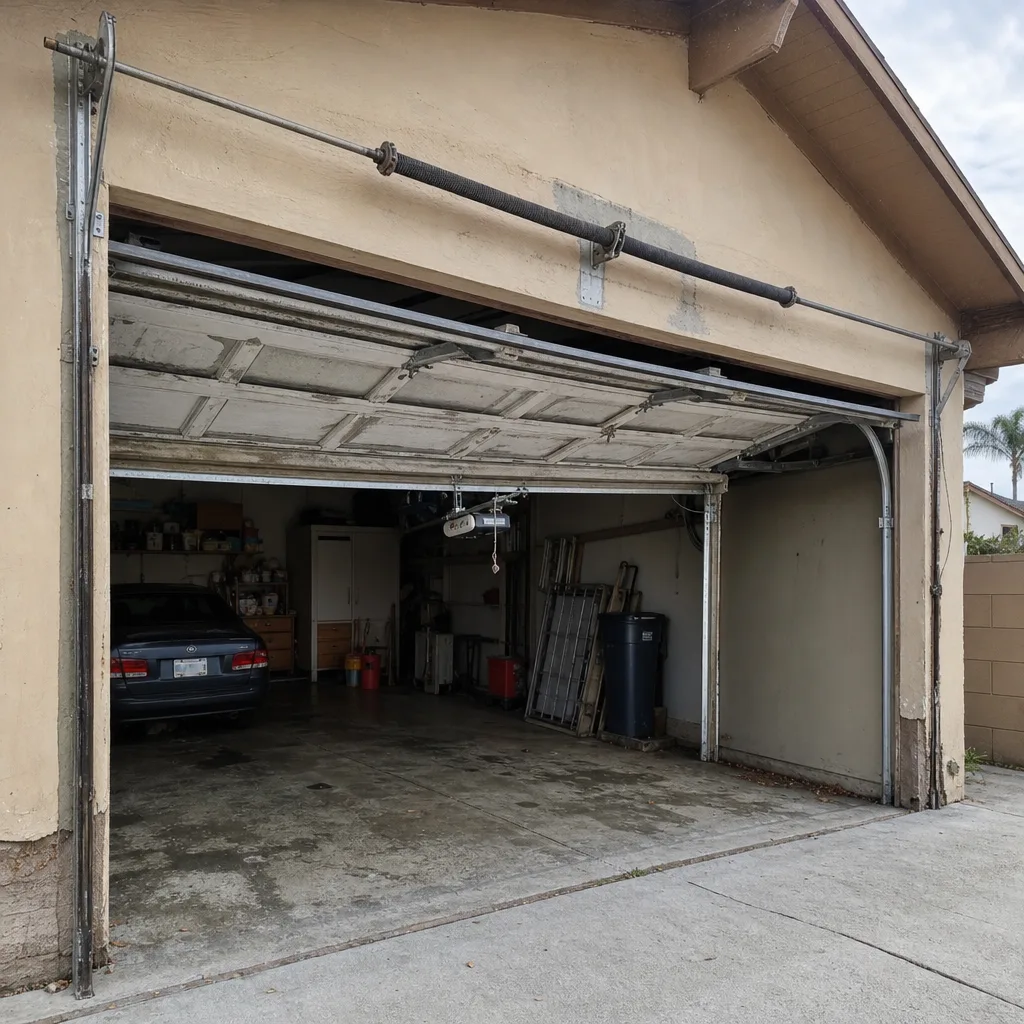 Before
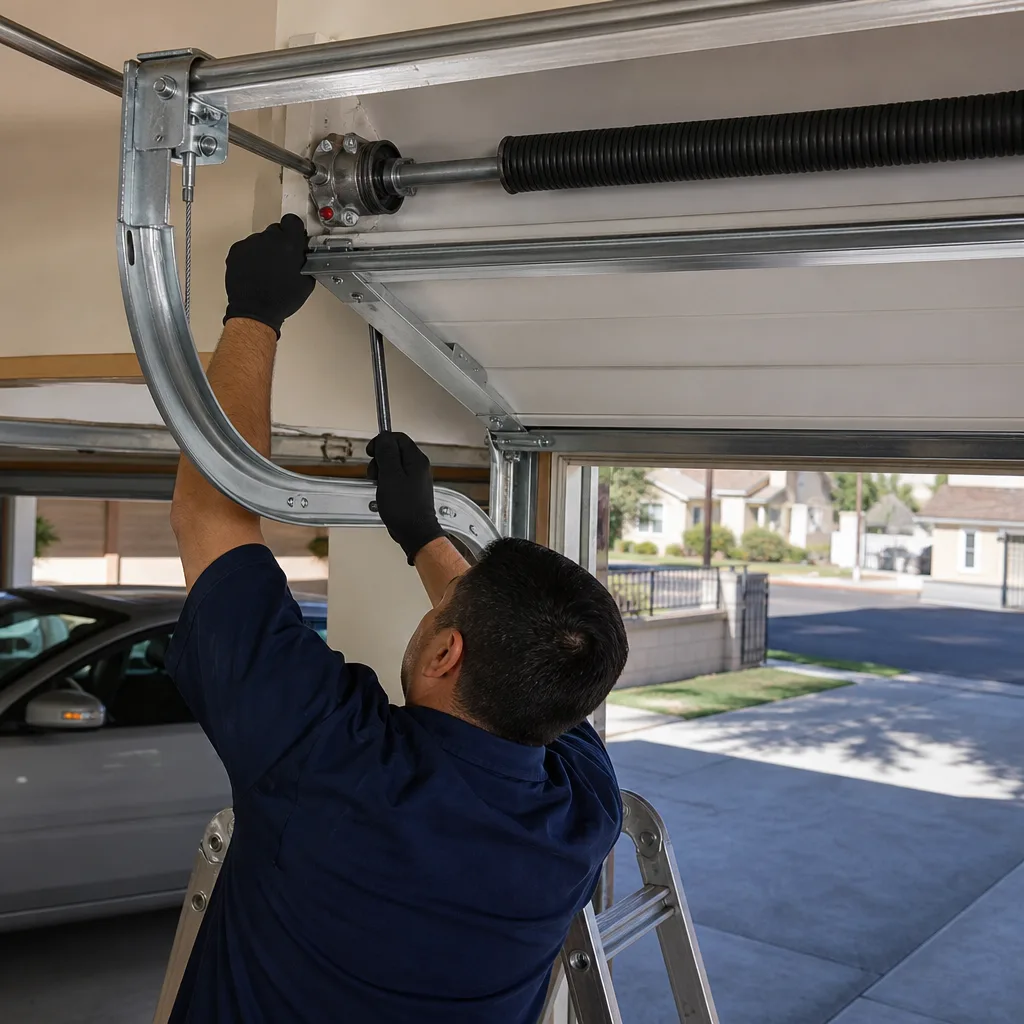 After
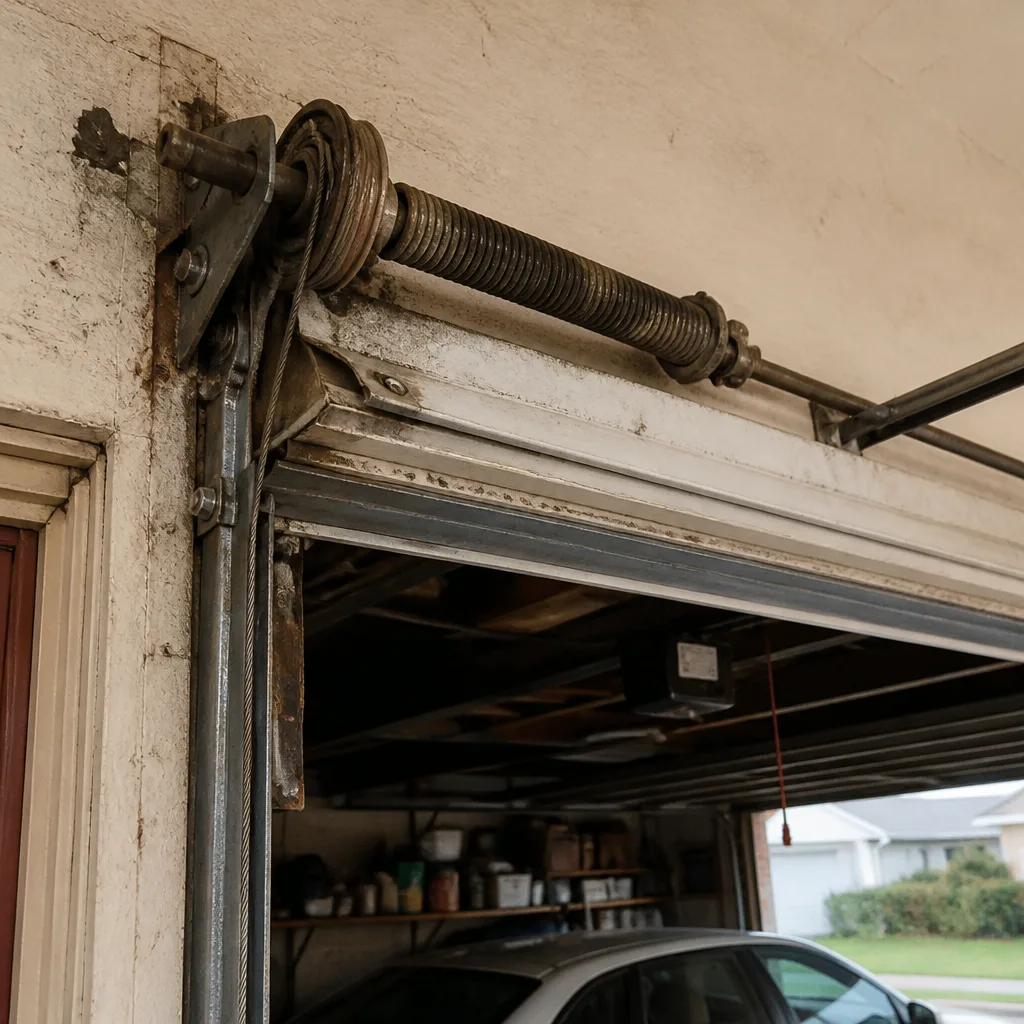 Before
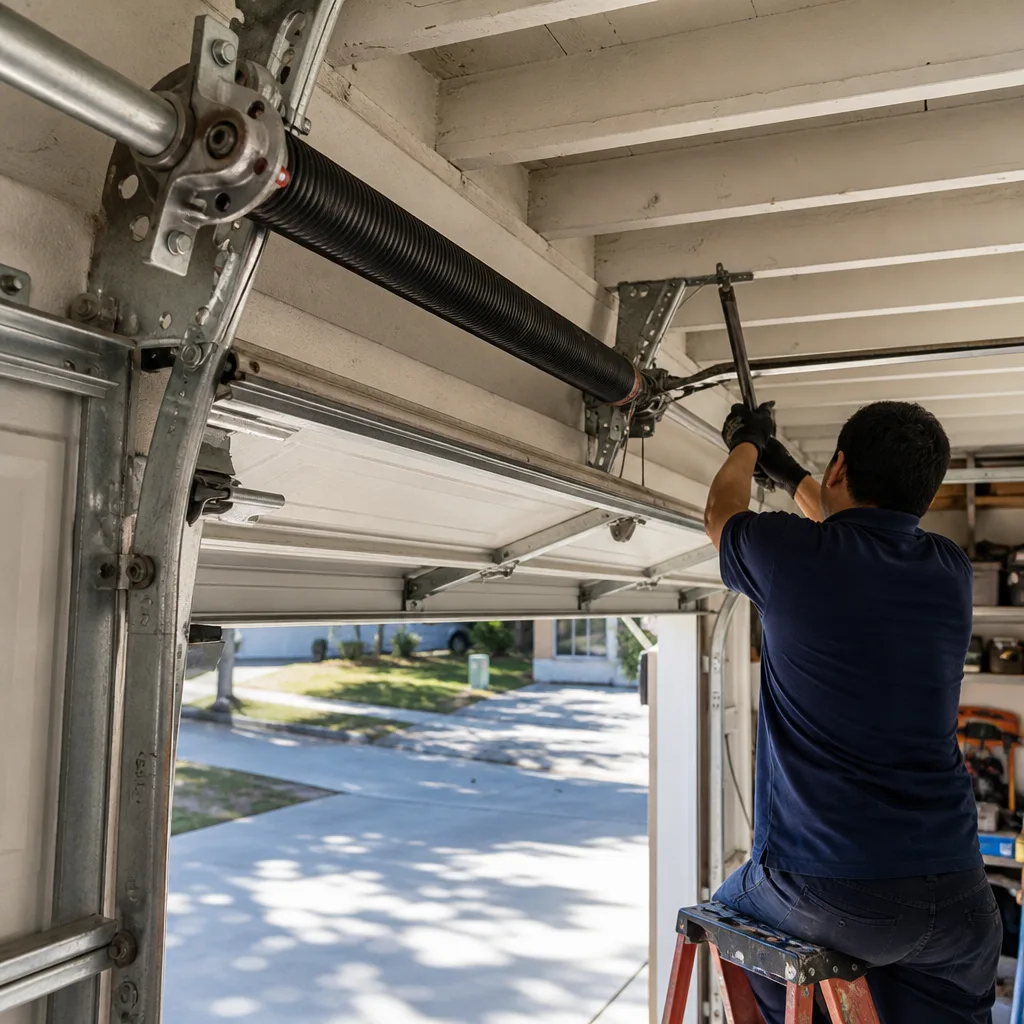 After
When to Call a Professional
Some garage door work is genuinely dangerous to do yourself. Torsion springs hold enough tension to cause serious injury if they release. Header modifications involve structural load, which isn’t a guess-and-check project. And new opener wiring requires a licensed electrician or an opener installation with an electrical permit. If your project involves any of these, get a professional involved. If you’re selling a home in Gardena and the buyer flagged unpermitted garage door work, we can assess the installation, make it code compliant, and coordinate the inspection. For more guides & resources on garage door care and compliance, visit our blog. If you’re installing a new door that needs a structural permit, we handle the paperwork and the work itself. Garage Door Service Gardena offers free estimates in Gardena – call (866) 562-1805.
Frequently Asked Questions
In most cases, no. If the new door fits the existing opening and no structural or electrical changes are made, a permit is not required. If you’re changing the opening size or adding new wiring, a permit is required. Call the Gardena Building Division to confirm for your specific address.
Simple electrical permits for openers run $75 to $150. Building permits for structural modification run $200 to $500. Exact fees depend on the project valuation and can be confirmed with the Gardena Building Division or LA County Building and Safety.
Yes, but it will likely be flagged during escrow. The buyer’s agent will pull permits and the home inspector will note the garage door installation. You can resolve it by obtaining a retroactive permit, which requires an inspection of the existing work. If the work is code compliant, you get a sign-off. If not, you fix it first.
UL 325 is the safety standard for automatic garage door openers. It requires automatic reversal, photo-eye sensors mounted no higher than six inches, a functional manual release, and reasonable force settings. California inspectors enforce UL 325 compliance when openers are installed with a permit, and non-compliant openers are a safety hazard.
Check your property tax bill or search your address on the LA County Assessor portal. If your address says Gardena, you’re likely under the City of Gardena Building Division. Some Gardena-adjacent streets fall under unincorporated LA County, which uses a different permitting process.
If the new opener plugs into an existing outlet and no new wiring is run, no permit is typically required. If you’re running new wiring or adding an outlet for the opener, an electrical permit is required. The opener itself must be UL 325 compliant regardless of permit status.
Yes. For garage door opener repair in Gardena and installations that require a permit, we handle the paperwork and coordinate inspections. If you’re not sure whether your project needs a permit, call (866) 562-1805 and we’ll tell you up front.
The Bottom Line
California’s garage door permit requirements aren’t complicated once you understand the triggers. Structural changes need a permit. New wiring needs a permit. Simple replacements and repairs generally don’t. The problem is that most homeowners don’t know the triggers until a home sale inspection reveals unpermitted work. In Gardena, where the building department is accessible and processing times are reasonable, there’s no reason to guess. Make the phone call. If the work does require a permit, handle it upfront. If you’re already mid-escrow with a flagged garage door, get a professional assessment now rather than later. Our team at Garage Door Service Gardena home handles installations, repairs, and opener work across Gardena, and we know the local permitting process well enough to answer your question in one phone call.
Written by the team at Garage Door Service Gardena, serving Gardena since 2011.