
Last updated November 2, 2026
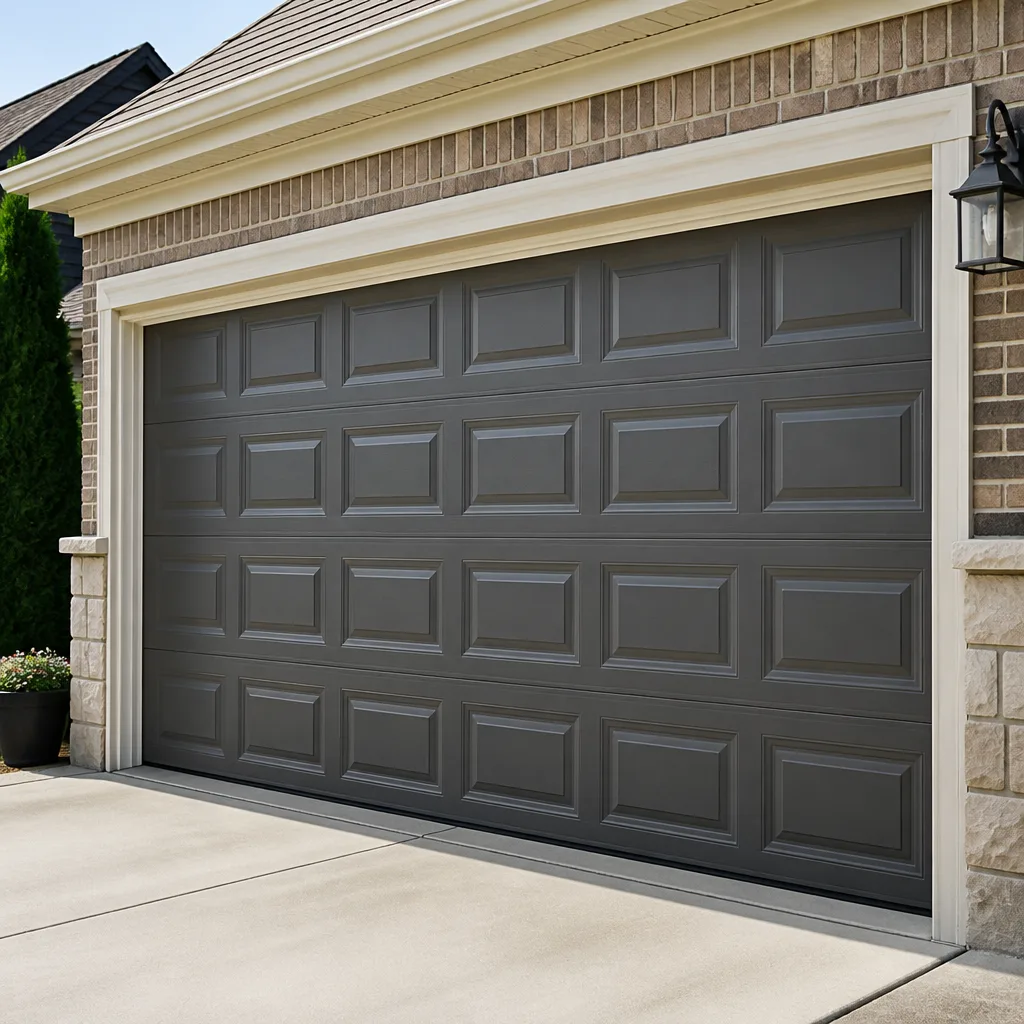 Raised-panel steel
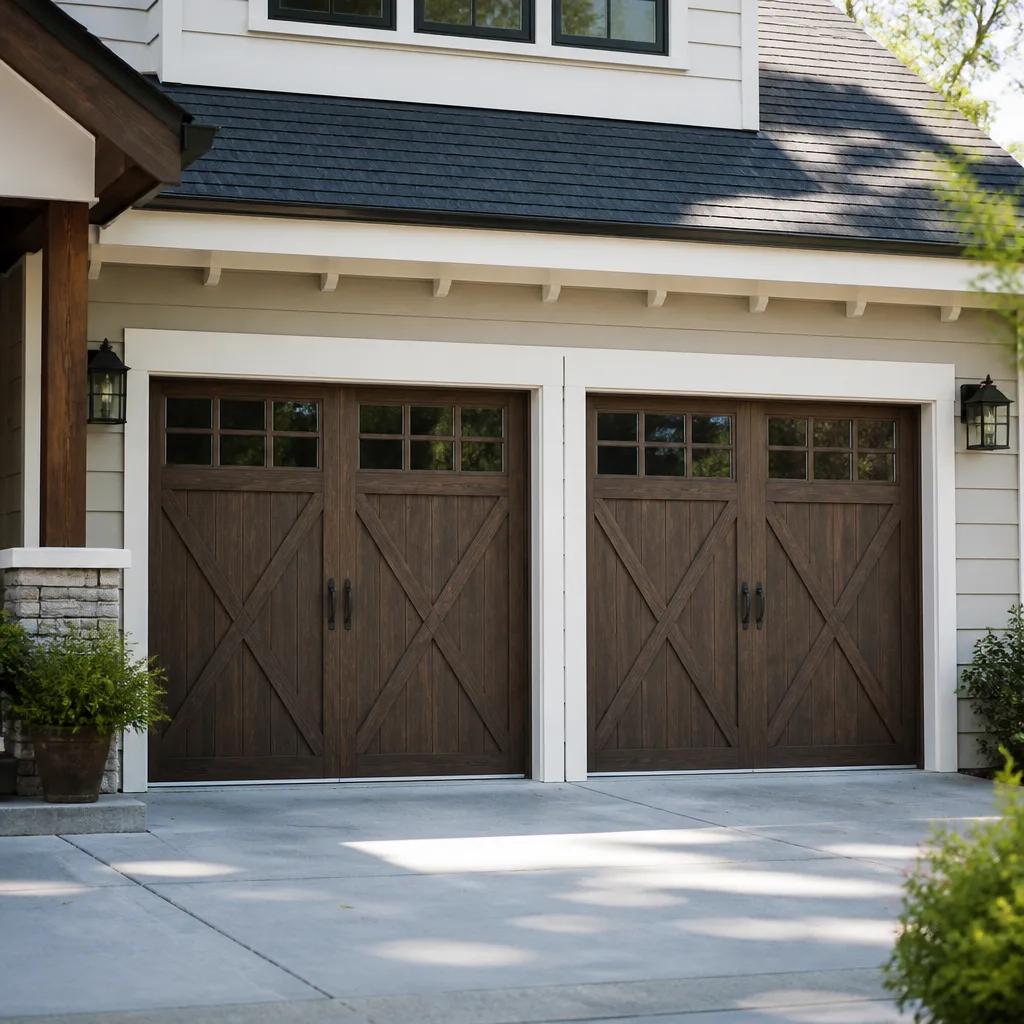 Carriage house
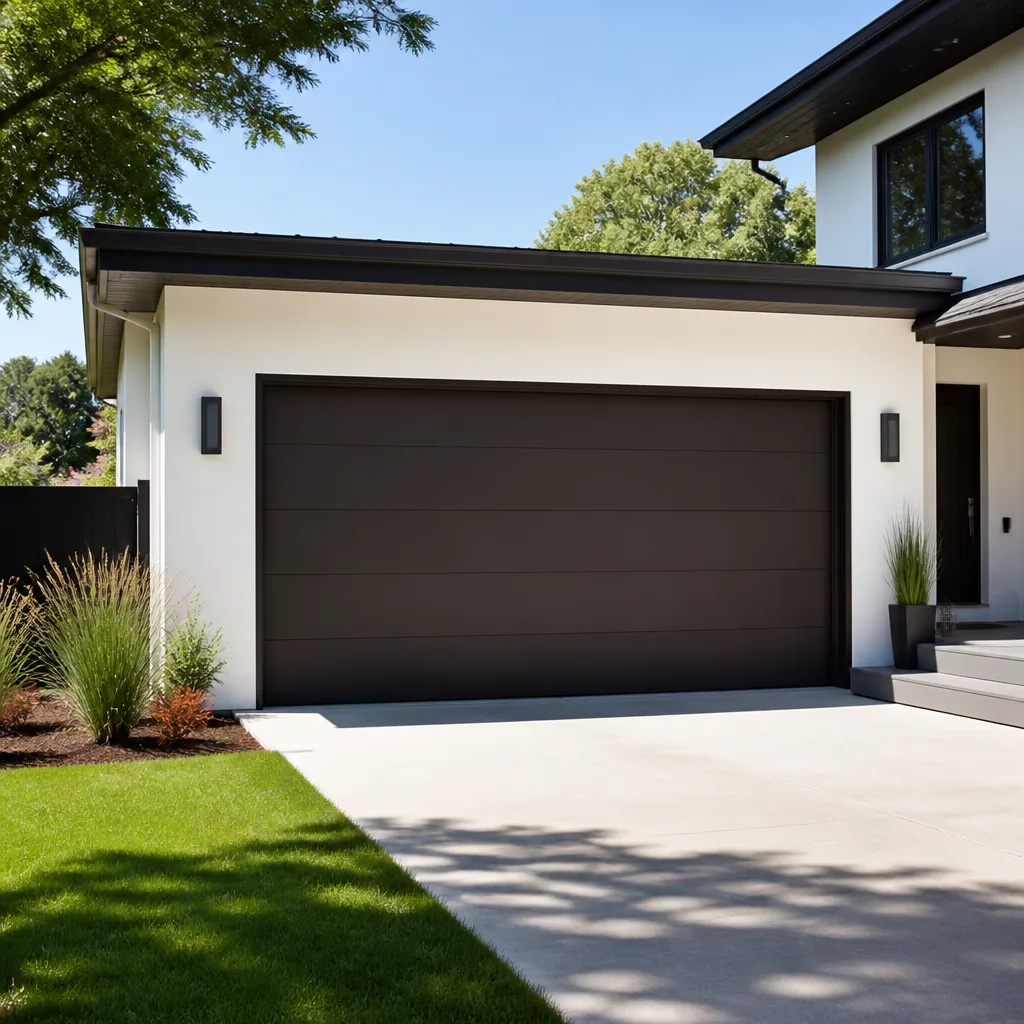 Modern flush
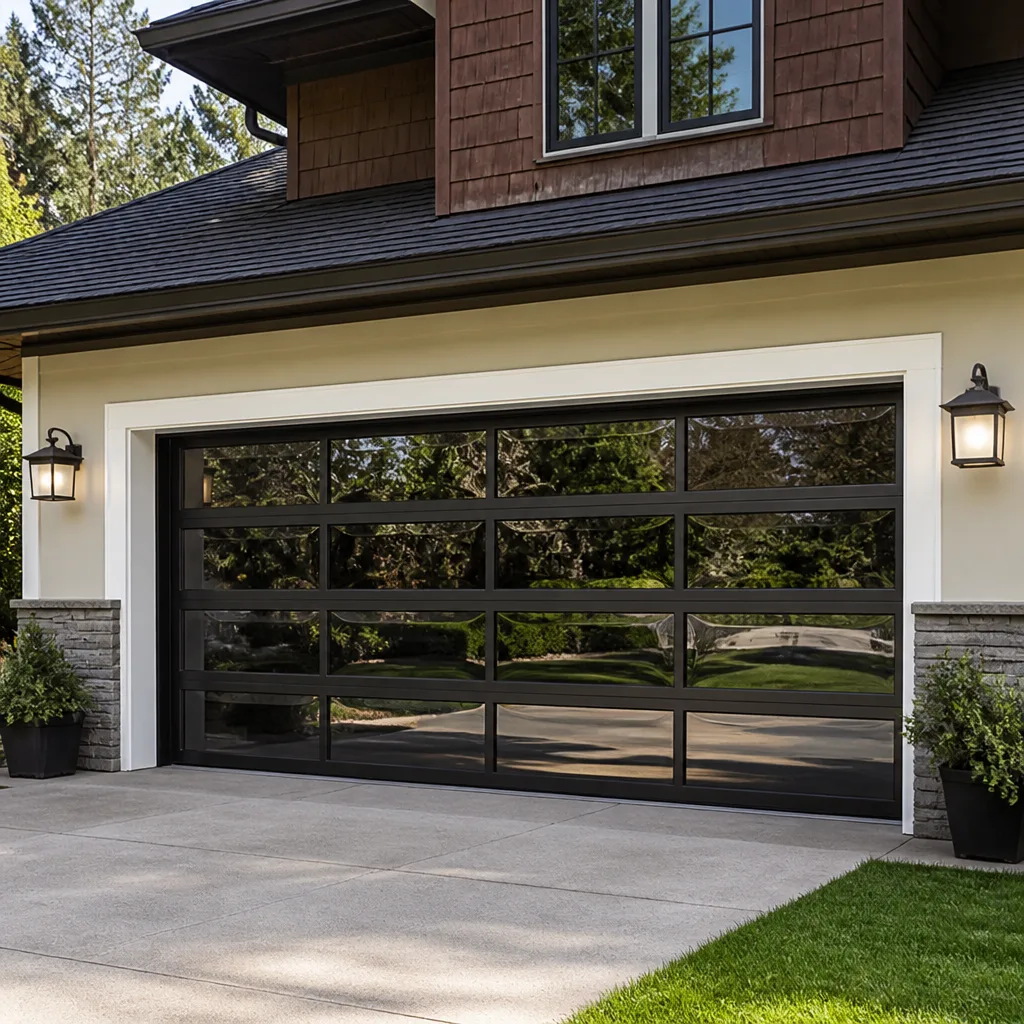 Full-view glass
 LiftMaster openers
 Chamberlain openers
Full 25-point door and opener safety check with every visit - springs, cables, rollers, tracks, and your LiftMaster or Chamberlain opener included
You get a price before we start. It does not change when the truck arrives.
Get your free estimateGarage Door Emergency Preparedness Guide for Gardena Homes
Here’s a number most Gardena homeowners never think about: after a serious earthquake, roughly 70% of residential property damage involves the garage. Not the roof. Not the foundation. The garage. And here’s the counterintuitive part – the door itself may look perfectly fine. The opener may look fine. But the tracks may have shifted by half an inch, the spring may have lost tension, and when you press that wall button, nothing moves. This guide walks through what actually happens to garage door systems when Gardena shakes, loses power, or gets hit by a wind event, and what you can do before the emergency to make sure your garage remains usable when you need it most. For Garage Door Repair Troubleshooting: Common Problems and How to Fix Them, see our dedicated resource.
Quick Answer
Garage door emergency preparedness in Gardena means three things: knowing how to use your opener’s manual release cord when the power is out, checking your door’s structural points after any earthquake or wind event before operating it, and having a battery backup plan for your LiftMaster or Chamberlain opener if you rely on the garage as a primary exit. Most doors that fail after an emergency do so because a small track misalignment or broken spring was ignored, not because the door itself was destroyed. Following a Garage Door Repair Maintenance Checklist for Gardena Homeowners helps catch these issues early.
Styles & brands we work with
- Raised-panel steel
- Carriage house
- Modern flush
- Full-view glass
- LiftMaster openers
- Chamberlain openers
Table of Contents
- How to Use Your Manual Release Cord (And Why Most People Get It Wrong)
- The Post-Earthquake Door Check: Three Structural Points to Inspect
- California Earthquake Disconnect Requirements: Is Your Opener Compliant?
- Battery Backup for Your Opener: What Works and What to Expect
- Gardena-Specific Scenarios: Stuck Open, Stuck Closed, and Wind Damage
- A 15-Minute Garage Emergency Preparedness Routine
- Common Mistakes to Avoid
- When to Call a Professional
- Frequently Asked Questions
How to Use Your Manual Release Cord (And Why Most People Get It Wrong)
The manual release cord on your garage door opener is the red-handled rope hanging from the trolley near the motor. It disconnects the door from the opener’s drive system, allowing you to open or close the door by hand. Every homeowner should know where this cord is and how it feels, because in an emergency it’s the difference between a functioning exit and a sealed one. In our experience servicing Gardena homes, fewer than half of the homeowners we visit have ever pulled the release cord on their own opener.
Here’s the step-by-step for operating it correctly when the power is out:
- Confirm the door is fully closed before pulling the cord. Pulling the release while the door is open can cause it to crash down, especially if the spring is weak or broken. This is the single most common mistake we see.
- Firmly grip the red handle and pull straight down. You’ll hear a distinct click as the trolley disengages from the drive carriage. The door is now in manual mode.
- Lift the door by the handle or bottom rail. A properly balanced door should lift with moderate effort and stay in place when partially open. If the door feels extremely heavy, the spring is likely broken – stop and call a technician.
- To re-engage, pull the release cord toward the door until you hear a second click, then press the wall button briefly. The trolley should reattach to the carriage on the next cycle.
One Gardena-relevant detail: many homes here have direct-to-garage entry and rely on the garage as a secondary exit during power outages. If your door’s spring is broken, manual operation can require 80 to 150 pounds of lifting force. That’s not something you want to discover for the first time in the dark. Practice the release once or twice a year, during daylight, with the door closed. It takes 30 seconds and eliminates the uncertainty when it matters.
The Post-Earthquake Door Check: Three Structural Points to Inspect
Gardena sits approximately eight miles from the Newport-Inglewood fault zone, which runs along the city’s eastern edge. A magnitude 5.0 or greater event on that fault can transmit enough lateral force to shift a garage door and its hardware out of alignment by fractions of an inch – enough to jam the door or cause the opener to strain. After any noticeable earthquake, check these three points before pressing the opener button:
1. Track alignment
Stand inside the garage and look at both vertical tracks. They should be perfectly parallel to the door edges, with an even gap from top to bottom. After seismic activity, tracks often shift inward or outward at the bracket mounts. A 1/4-inch deviation may allow the door to operate for a while, but the rollers will grind against the track and the opener motor will work harder, accelerating wear. Check for fresh scratches on the track interior, which indicate roller contact where there wasn’t any before.
2. Spring tension
With the door closed, look at the torsion spring mounted above the door opening or the extension springs along the upper track. The torsion spring should be tight, with no visible gap in the coil spacing. An earthquake can cause a spring to lose tension or, in some cases, snap. If you see a gap of even half an inch between coils near the center bracket, or if the spring shows a fresh break, do not operate the door. A broken torsion spring under tension is dangerous and requires a professional with the correct winding tools.
3. Cable seating
The lift cables run alongside the door from the bottom brackets to the drums above. Check that both cables are seated in the pulley grooves and taut. After an earthquake, cables can slip off a drum or develop slack. If one cable is loose and the other is tight, the door will lift unevenly, which can lead to a panel cracking or jamming mid-cycle.
If all three points look clean, operate the door once, watching and listening. Squeaks that weren’t there before, hesitation mid-cycle, or any visible wobble warrant a service call. The professionals who handle Garage Door Repair in Gardena see these post-earthquake symptoms regularly and can often correct a minor misalignment before it turns into a full door failure.
California Earthquake Disconnect Requirements: Is Your Opener Compliant?
California has a Garage Door Permits, Codes & Inspections in CA: What You Need to Know requirement that most homeowners don’t know about until after their first earthquake. Since 2008, the California Building Code has required that all newly installed residential garage door openers include a battery backup system and an automatic earthquake disconnect. The earthquake disconnect is a device that automatically separates the door from the opener when significant seismic motion is detected, preventing the opener from fighting a shifted door and causing additional damage.
Here’s what to know about your current setup:
- Openers installed after 2019 in Gardena are almost certainly compliant. LiftMaster and Chamberlain models manufactured for the California market during this period have battery backup built into the motor housing or available as a factory-matched accessory.
- Openers installed before 2008 have no earthquake disconnect. They will attempt to operate the door regardless of track condition. After an earthquake, this can strip the opener’s gears or bend the door’s top section.
- Openers installed between 2008 and 2019 may have partial compliance. Some have battery backup, some have the seismic disconnect, fewer have both. The model label on the motor unit lists the manufacturing date and compliance codes.
If your opener predates 2008, an upgrade isn’t just a code issue – it’s a practical safety one. Newer LiftMaster and Chamberlain units include sealed lead-acid or lithium battery backups that provide 8 to 20 open-and-close cycles on a full charge, which covers most power outage scenarios in Gardena. Our team works on Craftsman, Raynor, LiftMaster, and Chamberlain openers daily, and we can tell you within minutes whether your current unit can support a battery retrofit or if a new unit is the more cost-effective route. This is the kind of diagnosis that’s more straightforward than most homeowners expect – no pressure, just a clear answer.
Battery Backup for Your Opener: What Works and What to Expect
A battery backup keeps your garage door operational during a power outage – the exact scenario Gardena faced during the wind events of 2020 and the periodic power shutoffs that affect parts of Los Angeles County. For anyone who parks in the garage and exits through the house door, the backup is a convenience. For anyone whose garage is the primary or only vehicle exit, it’s a necessity.
Two ways to get battery backup
- Factory-integrated systems: Many current LiftMaster and Chamberlain openers have a battery bay in the motor housing. The battery slides in, and the opener automatically switches to DC power when line voltage drops. These systems typically provide 1 to 2 days of standby and 10 to 25 full cycles, depending on the model.
- External battery backup units: LiftMaster sells a stand-alone battery backup that connects to compatible openers with a two-wire interface. Chamberlain offers a similar option. These are typically less expensive than replacing the entire opener but require a specific wiring harness.
What to expect from a battery backup system
| Feature | Typical Performance |
|---|---|
| Cycle count on full charge | 10-25 open/close cycles |
| Standby duration | 24-48 hours |
| Recharge time | 24-48 hours after power restoration |
| Battery lifespan | 3-5 years, replaceable |
| Audible alert | Beeps when running on battery |
One thing to be aware of: battery backup systems are not unlimited. If the power is out for several days, the battery will eventually deplete. The manual release cord remains functional regardless of battery state, which is why it’s step one in your preparedness plan, not an afterthought. For Gardena homes with an older Craftsman or Raynor opener, a full opener replacement to a battery-equipped LiftMaster or Chamberlain unit is often the cleanest solution – and it includes the California-compliant seismic disconnect in the same upgrade. For those who want to explore what a new door or opener looks like, our Garage Door Installation in Gardena team handles the full process from measurement to final programming.
Gardena-Specific Scenarios: Stuck Open, Stuck Closed, and Wind Damage
Gardena’s emergency scenarios break into two categories: seismic events and wind events. Each creates different failure modes. Here’s what we’ve observed across Gardena neighborhoods, from the 110-adjacent blocks to the residential streets near Rosecrans and Vermont.
Scenario 1: Door stuck closed after a power outage
This is the most common call we get in the 24 to 48 hours after a grid event. The opener has no power, the homeowner pulls the release cord, and the door still won’t lift – or lifts only a few inches. In almost every case, the problem is a broken torsion spring that happened to coincide with the outage. The spring holds the counterbalance tension regardless of electrical power. If it’s broken, the door’s full weight (typically 150 to 250 pounds for a two-car door) is on your arms.
What to do: If the door won’t lift smoothly with moderate effort, do not force it. Forcing a door with a broken spring can pull the cables off the drums, bend the top panel, or cause the door to fall. Call for spring replacement. This is a same-day repair for most Gardena homeowners, and the price is quoted before any work begins.
Scenario 2: Door stuck open after high winds
Saddleridge-type wind events, with gusts over 50 mph, can push a garage door inward or outward when it’s in the open position. The door leaves the vertical track, the top panel folds, or a roller breaks. The door won’t close because it physically cannot re-enter the track.
What to do: Secure the door with a clamp or locking pliers on the track below the bottom roller to prevent it from moving further. Keep children and pets away from the door. Call a technician who can re-seat the door, check for bent hardware, and replace broken rollers. This is not a DIY fix – a partially seated garage door can come off the track completely and fall without warning.
Scenario 3: Door opens but jerks or shudders
After any significant event, a door that moves but shakes while doing so has a hardware problem: a bent track section, a cracked roller, or a spring that’s lost tension on one side. Ignoring it for a week turns a $150 track adjustment into a $500 panel or opener replacement.
What to do: Stop using the door and schedule a diagnostic visit. In our experience, the fix is usually faster than homeowners expect. The door stays in service, and the repair cost is significantly less than a replacement. That’s the benefit of a brand-agnostic repair approach: we fix the door you have, whether it’s a Raynor or a Clopay, rather than steering you toward an unnecessary new one.
A 15-Minute Garage Emergency Preparedness Routine
Here’s a practical routine you can complete in about 15 minutes, twice a year. The best time is when you change your smoke detector batteries – same cadence, same reliability. For Gardena homes, we suggest making this a fall and spring habit.
- Test the manual release cord. Pull it while the door is closed, lift the door halfway, and re-engage. Time: 2 minutes.
- Check spring condition. Look for gaps, rust, or visible wear on the torsion spring. Time: 1 minute.
- Test the safety sensors. Place a small box in the door’s path and close it. The door should reverse immediately. Time: 2 minutes.
- Clean the photo eyes. Dust on the sensor lenses is the number one cause of door reversal issues in Gardena’s dry, dusty stretch of late summer and fall. Wipe with a dry cloth. Time: 1 minute.
- Lubricate moving parts. Apply a silicone-based spray to the rollers, hinges, and spring. Do not use WD-40 – it attracts dust and creates a sticky film. Time: 3 minutes.
- Inspect cables and brackets. Look for fraying on the lift cables and looseness at the track mounting brackets. Time: 2 minutes.
- Confirm battery backup charge. If your opener has a battery, check the indicator light on the motor unit. Green means charged. Red or flashing means it needs attention. Time: 1 minute.
That’s the entire routine. If anything in the inspection looks off – frayed cable, spring gap, loose bracket – make the call at that point. Small issues found during a routine check are almost always cheaper and faster to fix than the same issue discovered during an emergency. Our Garage Door Opener Repair in Gardena service handles everything from sensor realignment to full drive system diagnostics on LiftMaster, Genie, Chamberlain, and Craftsman units.
Common Mistakes to Avoid
- Pulling the release cord with the door open. If the spring is weak or broken, the door can slam down with enough force to damage the panels or injure someone. This applies to Gardena homes of any vintage, but especially doors over 15 years old.
- Testing the opener immediately after an earthquake. If the track has shifted even slightly, the opener will grind against the misalignment and can strip its internal gears. Check alignment first, then test.
- Assuming battery backup means the door will work forever. A fully charged LiftMaster or Chamberlain battery backup typically supports 10 to 25 cycles. After that, you’re on manual operation. The manual release cord is your fail-safe, not the battery.
- Ignoring a door that’s become noisy. A door that squeaks or grinds after a wind event or earthquake is telling you something. Garage doors don’t heal themselves; the noise indicates a mechanical problem that gets worse with use.
- Spraying WD-40 on garage door springs and rollers. This is a regional habit we see across Gardena garages. It works for door hinges around the house but is the wrong product for garage door hardware. It strips existing lubricant and attracts the very dust Gardena’s dry-air months produce. Use silicone spray.
- Forcing a door that won’t move. If the door is stuck or extremely heavy, forcing it turns a spring replacement into a track, cable, and panel repair. When in doubt, stop and call.
- Using the garage as a workshop without testing the door’s manual operation first. Gardena garages are used for everything from woodworking to car maintenance. If the power goes out while you’re mid-project with the door open, you need to know how the door behaves in manual mode immediately, not after reading the manual by flashlight.
When to Call a Professional
Some garage door problems are genuinely dangerous to handle without training. Torsion springs store enough energy to cause serious injury if they release while being manipulated. Lift cables under tension can slice through gloves and skin. A door off its track can fall with hundreds of pounds of force. If your post-emergency inspection finds a broken spring, a frayed cable, a bent track, or a door that won’t operate smoothly in manual mode, call a professional. The diagnosis should be straightforward: a technician arrives, identifies the specific failure, and gives you an honest answer about repair versus replacement. Garage Door Service Gardena home offers free estimates across Gardena – call (866) 562-1805 and a technician will come out, inspect the door, and quote a price before any work starts.
Frequently Asked Questions
Pull the red manual release cord hanging from the opener’s trolley while the door is fully closed, then lift the door by hand. If the door feels extremely heavy, the spring is likely broken and you should call a professional rather than forcing it. The release cord works on every opener brand, including LiftMaster, Chamberlain, Craftsman, and Raynor.
Check the track alignment, spring tension, and cable seating before operating the door. Look for tracks that have shifted out of parallel, gaps in the spring coils, or cables that are loose or off their drums. If all three points look clean, operate the door once and listen for new noises.
California building codes require battery backup on newly installed residential garage door openers. If your opener was installed before 2008, it’s unlikely to have one. If it was installed after 2019, it almost certainly does. The model label on the motor unit lists the manufacturing date and compliance codes so you can verify.
Some LiftMaster and Chamberlain openers support an external battery backup unit that connects with a simple wiring harness. Older Craftsman and Raynor units generally do not. A technician can check your opener’s model number and tell you whether a retrofit is possible or if a unit replacement makes more sense.
Garage door spring replacement in Gardena typically ranges from $180 to $340 depending on the spring type (torsion vs. extension), door weight, and whether one or both springs are replaced. We quote the exact price before any work begins, so you know the total before we start. Call (866) 562-1805 for a free estimate.
Secure the door with locking pliers or a clamp on the track below the bottom roller to prevent it from moving, then call a technician. Wind can push a door off its track or bend the top panel, and attempting to force it back into place can cause the door to fall. This is a same-day repair in most cases for Gardena homeowners.
The Bottom Line
Gardena’s position near a fault line and in a wind corridor means garage door emergencies here are not hypothetical. The homes most likely to have a garage door problem after an earthquake or wind event are the ones where no preparation happened beforehand. The manual release cord, a post-event structural check, and battery backup are the three pillars of preparedness. None of them require significant expense. All of them require about 15 minutes of attention twice a year. If you find something concerning during your next inspection, call (866) 562-1805 or browse our more guides & resources. A free estimate in Gardena costs nothing, and the answer you get will be straightforward – whether the door needs a $20 roller or a new spring, we’ll tell you what’s actually going on and quote the price before any work starts.
Written by the team at Garage Door Service Gardena, serving Gardena since 2011.
See the difference
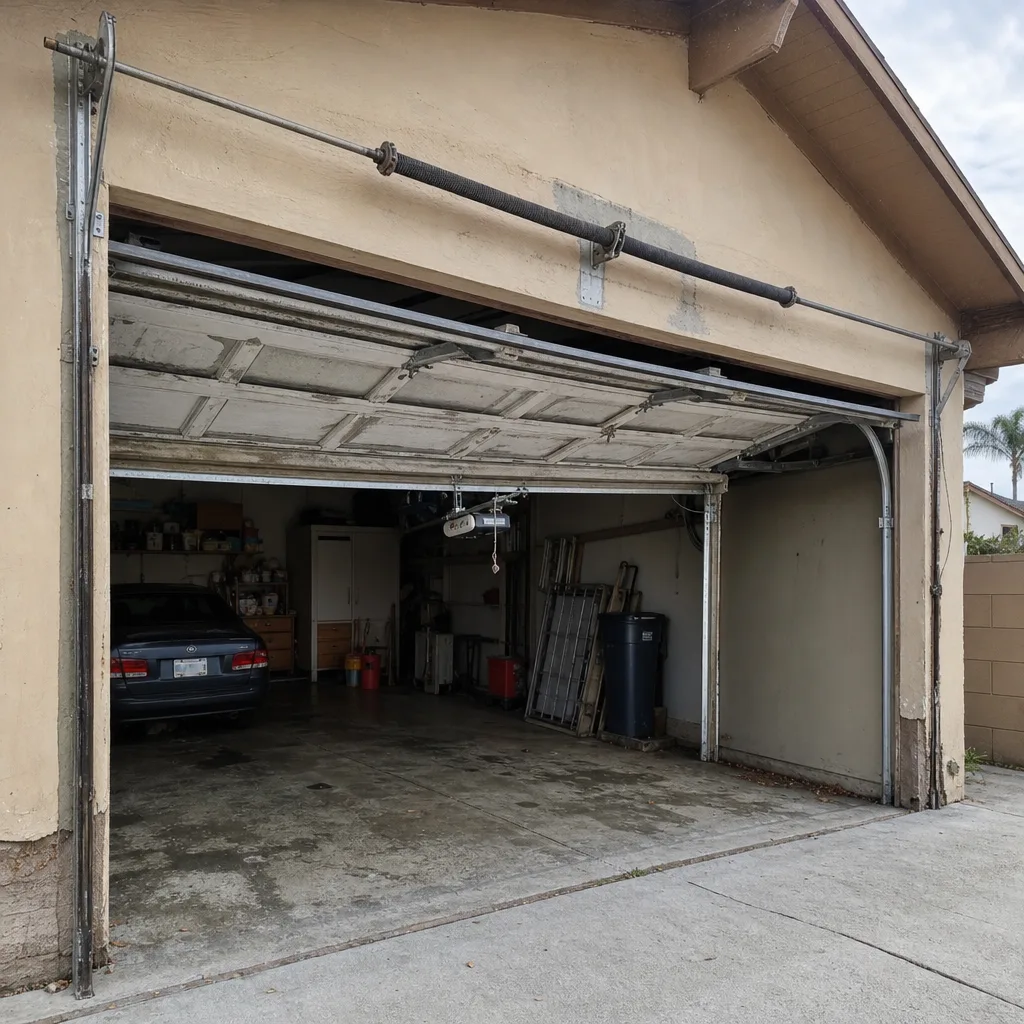
 Before
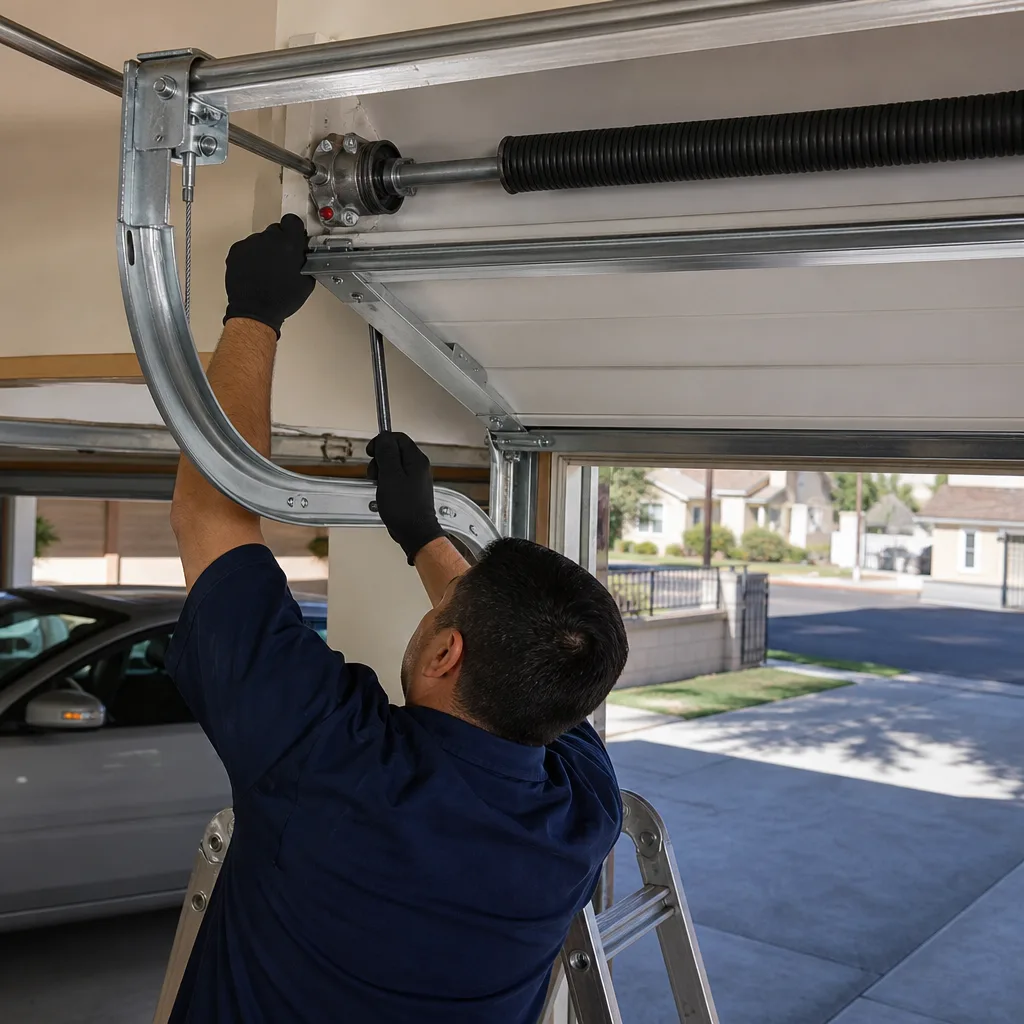
 After
 Before
 After
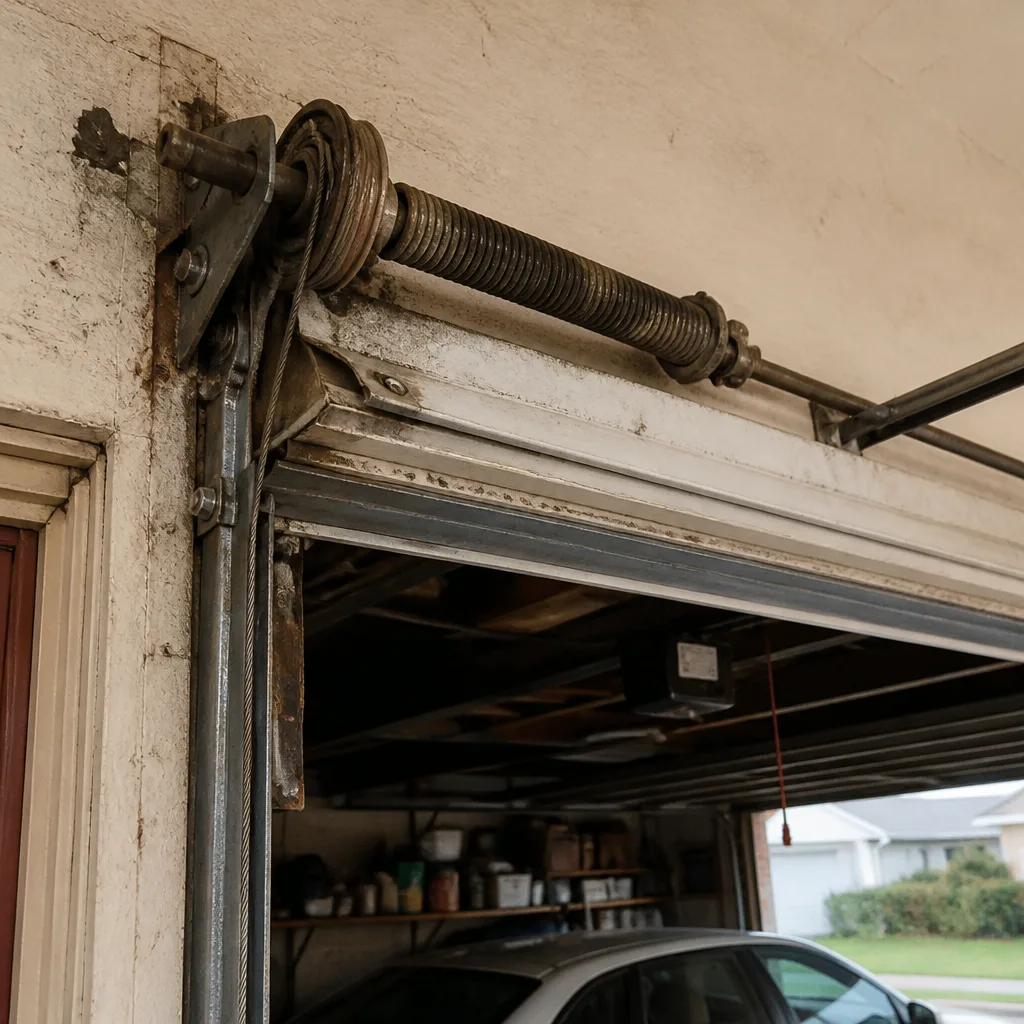 Before
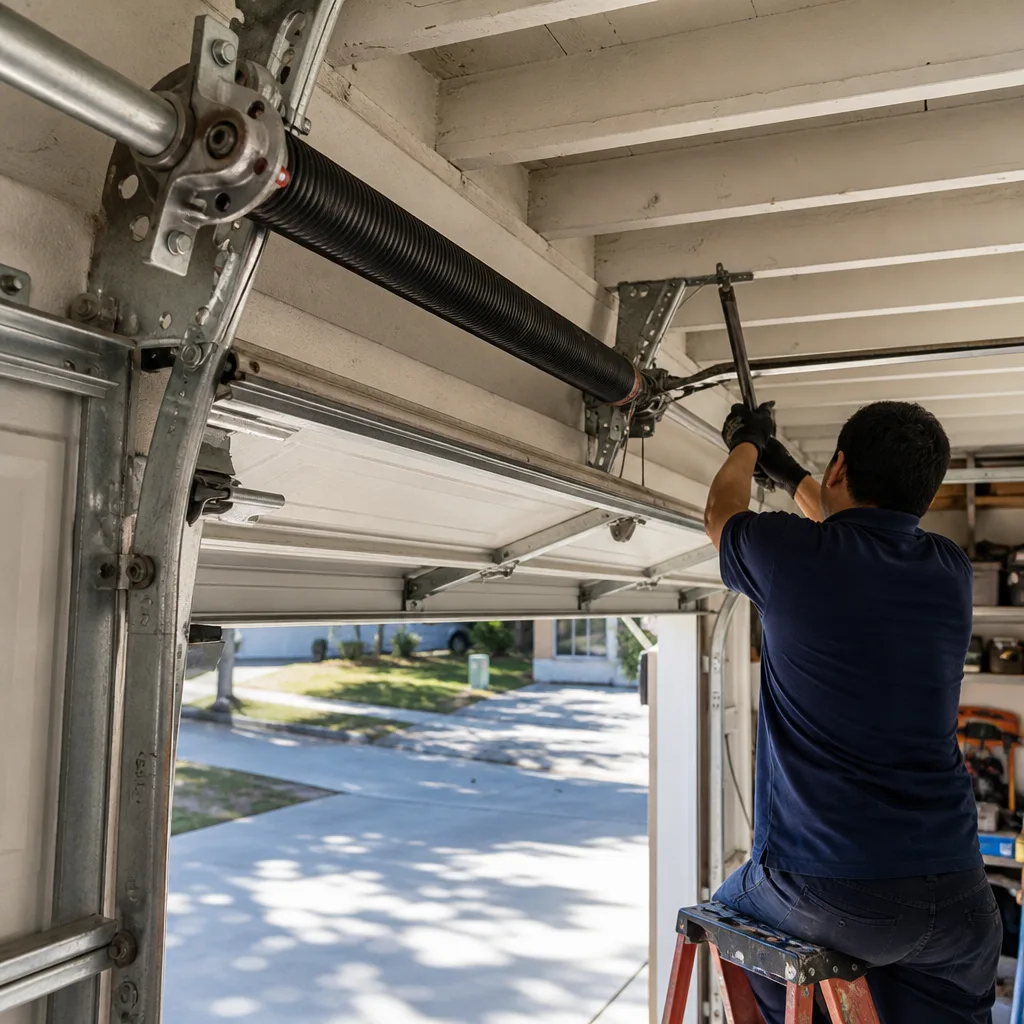 After