
Last updated November 2, 2026
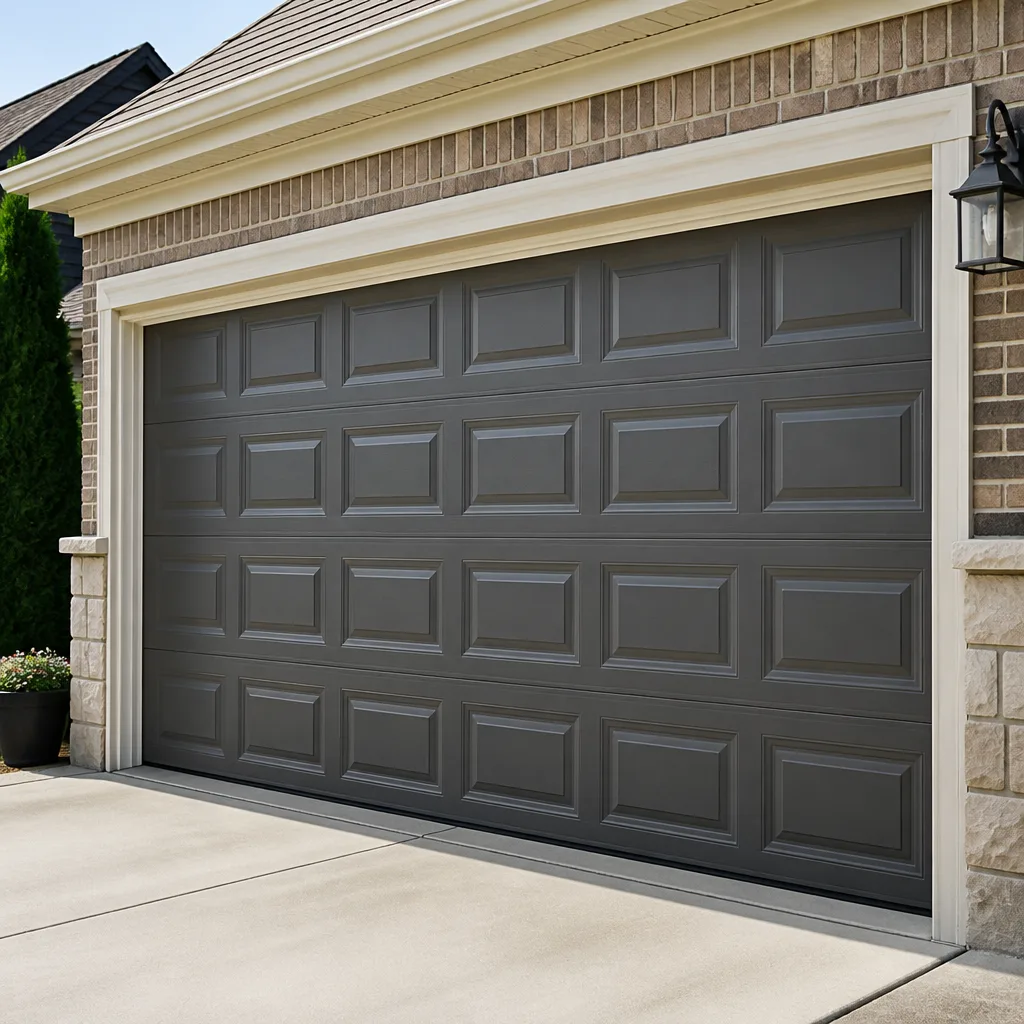 Raised-panel steel
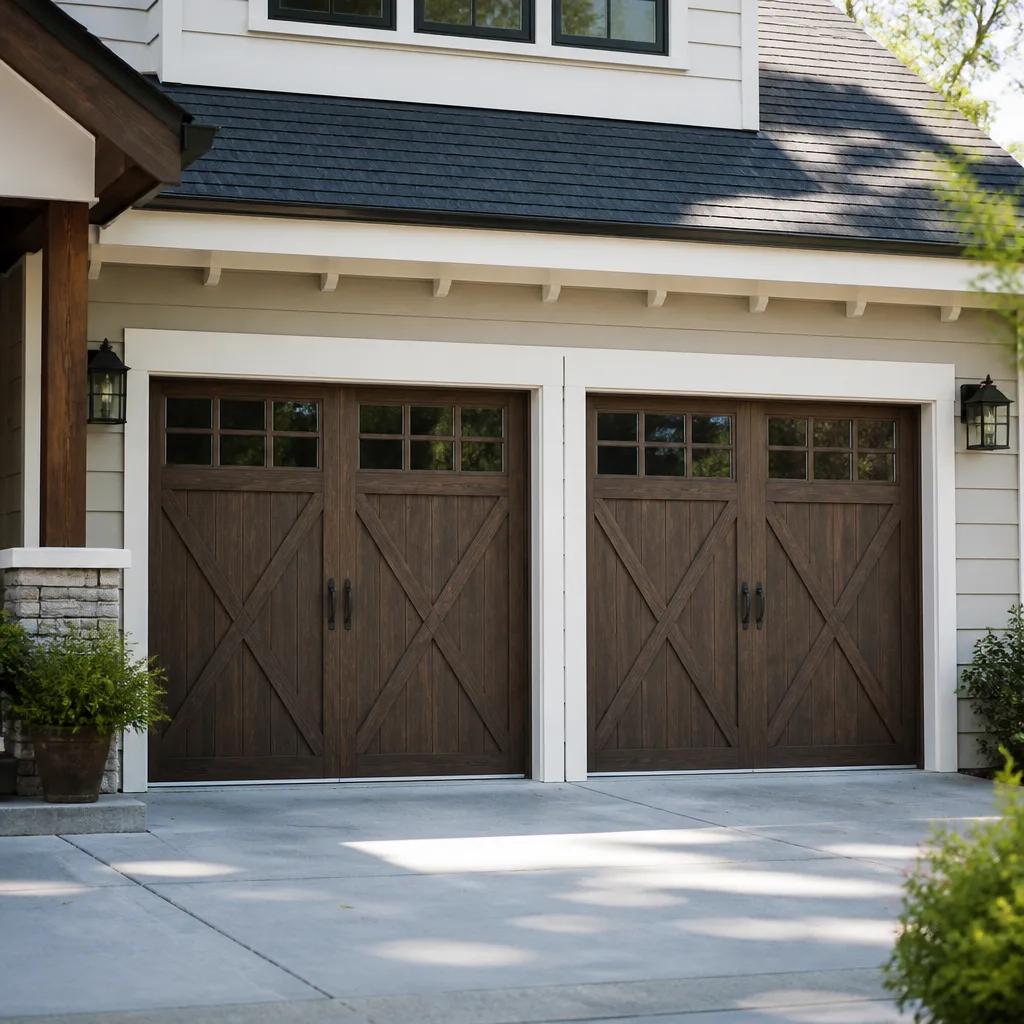 Carriage house
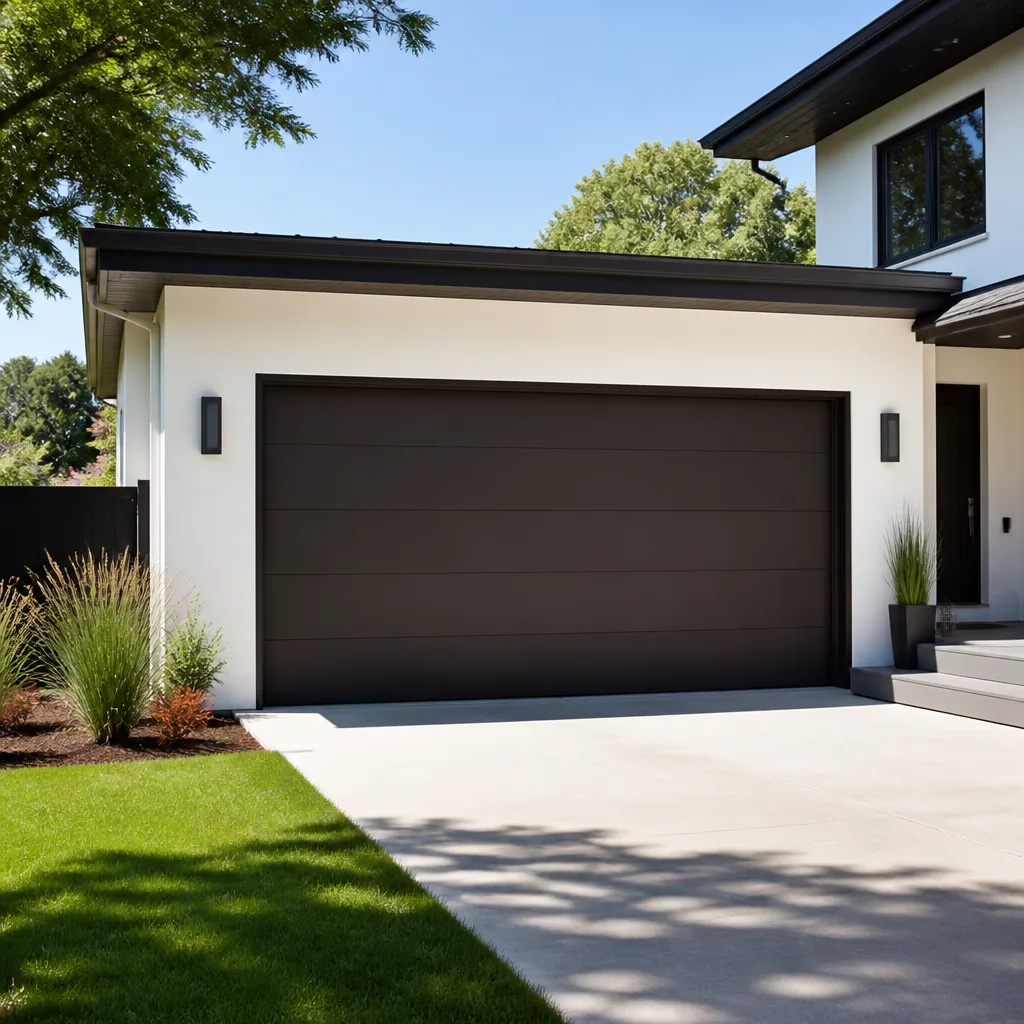 Modern flush
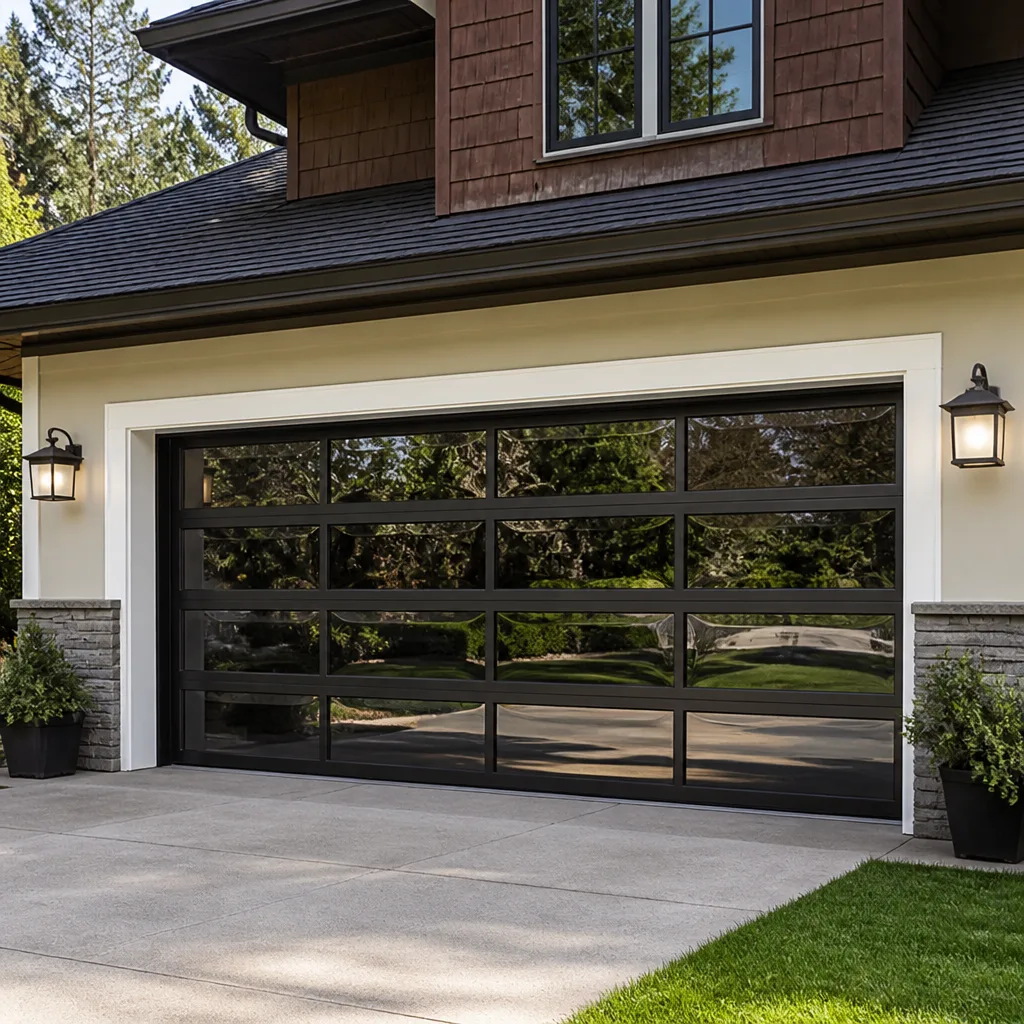 Full-view glass
 LiftMaster openers
 Chamberlain openers
Full 25-point door and opener safety check with every visit - springs, cables, rollers, tracks, and your LiftMaster or Chamberlain opener included
You get a price before we start. It does not change when the truck arrives.
Get your free estimateHow to Hire a Garage Door Contractor in Gardena: A Step-by-Step Guide
Ask a garage door company “can you service a Sears Craftsman opener from 2008?” and their answer tells you more about their competence than any review ever will. A contractor who hesitates, hedges, or immediately pivots to “you should really just replace that” has revealed something important: they either don’t know the system or they’re not interested in fixing it. In Gardena, where homes range from 1950s ranch-style houses to newer townhome developments, garage door systems span five decades of technology. The contractor you hire needs to work across that timeline without flinching. This guide walks you through exactly how to find, vet, and hire the right person for the job, whether it’s a broken spring on a Clopay door or a logic-board failure on a LiftMaster opener. For more guides & resources, see our blog.
Styles & brands we work with
- Raised-panel steel
- Carriage house
- Modern flush
- Full-view glass
- LiftMaster openers
- Chamberlain openers
Quick Answer
To hire a garage door contractor in Gardena, verify their California contractor license (C-61/D-28 or C-28) on the CSLB website, confirm they have direct experience with your specific door or opener brand – our Choosing the Right Garage Door Brand: A Buyer’s Guide for Gardena explains why this matters – get a written estimate with line-item pricing, and ask three specific questions designed to expose whether they actually know your system or are planning to upsell you into a replacement. A qualified contractor should be able to identify your brand, model, and likely failure point before quoting a repair. Expect a diagnosis visit that includes inspection of the full system, not just the broken part, and never accept a quote without seeing the price breakdown in writing first.
Table of Contents
- Step 1: Verify the License Before Anything Else
- Step 2: Ask the Three Questions That Expose Multi-Brand Competence
- Step 3: Know the Difference Between a Diagnosis Visit and a Sales Call
- Step 4: Read a Written Estimate Like a Mechanic, Not a Customer
- Step 5: Spot Gardena-Specific Red Flags Before You Book
- Step 6: Compare Quotes Without Falling for the Cheapest Option
- What a Good Contractor Relationship Looks Like
- Common Mistakes to Avoid
- When to Call a Professional
- Frequently Asked Questions
- The Bottom Line
Step 1: Verify the License Before Anything Else
California has the strictest contractor licensing laws in the country, and garage door work falls under a specific classification. The license you’re looking for is C-61/D-28, which covers door and gate services including garage door installation and repair, or C-28 for full door and structural work. A general contractor license (B) does not specifically qualify someone for garage door work by itself, though some legitimate companies hold both. The point isn’t that you need to memorize license classifications. The point is that you need to verify the license exists and matches what the company claims to do.
Here’s the two-minute verification process:
- Go to the Contractors State License Board website at cslb.ca.gov.
- Click “Check a License” and enter the company name or license number.
- Confirm the license status reads “Active” and the classification includes D-28 or C-28.
- Check the business name matches what the contractor told you on the phone.
- Look at the “Workers’ Comp” section. If the company has employees, they must carry workers’ compensation insurance. If they don’t, you could be liable if a technician gets hurt on your property.
In Gardena, where many homes sit on postage-stamp lots with older electrical panels and tight clearance between houses, an unlicensed operator working on a torsion spring system creates real liability for you as the homeowner. If something goes wrong, your homeowners insurance may not cover damage caused by unlicensed work. It’s a two-minute check that protects you from a six-figure problem.
We’ve seen Gardena homeowners hire “a guy from Nextdoor” who did decent-looking spring work and disappeared when the door started binding three weeks later. A license isn’t a guarantee of quality, but it means the contractor has passed a state exam, carries bonding, and has a verifiable business address. It’s the minimum bar, not the ceiling. And if a contractor gets defensive when you ask for their license number, that’s your answer. Move on.
Step 2: Ask the Three Questions That Expose Multi-Brand Competence
This is the step most hiring guides skip, and it’s the one that matters most for your wallet. Garage door systems are not interchangeable. A Chamberlain opener uses a different rail and trolley configuration than a Genie screw-drive unit. A Clopay steel door with a torsion spring system behaves differently than a Wayne Dalton door with its proprietary TorqueMaster spring arrangement. The contractor who tells you “a garage door is a garage door” is about to learn on your nickel.
Here are the three questions to ask on the phone before you book anything:
- “What brands do your technicians work on regularly?” A capable contractor answers immediately with specific names. If they say “all of them” without naming any, that’s vague. If they name brands you’ve never heard of, that’s fine. If they name LiftMaster, Chamberlain, Genie, Clopay, Amarr, Wayne Dalton, Craftsman, and Raynor without hesitation, you’re talking to someone who services what’s actually installed in South Bay garages.
- “Can you diagnose and repair a [your brand] [your model or year] without recommending replacement unless it’s genuinely necessary?” This question does two things. It tells the contractor you know your system, so the upsell play won’t work on you. And it tells you whether their business model is repair-first or replacement-first. A contractor who bristles at this question is not brand-agnostic. A contractor who says “show me the door and I’ll tell you honestly what it needs” is exactly what you want.
- “What’s your diagnostic process when you arrive?” The answer should include opening and closing the door multiple times to observe it in motion, checking spring tension visually, testing the balance, examining the tracks, rollers, hinges, cables, and opener safety features. If the answer is “we’ll take a look and let you know,” that’s thin. If the answer is “we inspect the door, the spring system, the opener drive, the safety sensors, and the remote programming before we quote anything,” that’s a technician who knows failure points.
In our experience, a LiftMaster opener that won’t close usually has a misaligned safety sensor, not a dead motor. A Clopay door that creaks on one side typically has a worn roller, not a structural problem. A Chamberlain that opens halfway and reverses is usually a travel-limit setting issue, not a broken spring. The contractor who knows these patterns saves you hundreds of dollars versus the one who replaces parts until something works.
Step 3: Know the Difference Between a Diagnosis Visit and a Sales Call
The single biggest tell in the garage door industry is what happens in the first five minutes after a technician arrives at your Gardena home. A legitimate diagnosis visit looks like an actual inspection. A sales call looks like a performance.
Here’s what a proper diagnosis visit includes:
- The door gets cycled multiple times. The technician opens and closes it manually first, then with the opener, watching and listening for the specific point of failure. A grinding sound at a particular panel, a hesitation at a certain height, a cable that looks loose on one side. The door tells you what’s wrong if you watch it move.
- The full system gets touched. Tracks get inspected for alignment. Rollers get checked for wear. Springs get examined for gaps in the coils. Cables get checked for fraying. The opener gets tested for force settings and sensor alignment. A technician who walks straight to the broken part and ignores everything else isn’t doing you any favors, because garage door failures cascade.
- You get a clear explanation before any quote. “Your right extension spring broke, which is why the door slammed. Your left spring is original and likely near failure too. Here’s what I recommend and why.” That’s a diagnosis. Compare that to “This door is old, you should replace the whole thing.” That’s a sales pitch.
Here’s what a sales call looks like instead:
- The quote comes before the inspection. If the technician glances at the door for ten seconds and starts writing numbers, you’re being quoted a service, not a diagnosis.
- Replacement language appears immediately. “This is a safety hazard, we need to get you a new door today.” Emergency pressure is the oldest tool in the book. Yes, a broken spring is a serious problem. No, it doesn’t require a $4,000 door when the repair costs $300.
- Brand disparagement. “Oh, Raynor? We don’t really work on those. You should get a Clopay.” A multi-brand technician works on what you have. A single-brand dealer works on what they sell. Big difference, and it’s the entire reason the quick-question test in Step 2 matters.
Gardena’s housing stock spans decades, which means garage doors span decades too. We see 1970s wood doors next to brand-new Amarr steel doors on the same block. A technician who only knows one era or one brand is going to struggle on half the doors in this city. The right contractor will tell you honestly: “This door has five more years in it, here’s what it needs now.” That honesty is what saves you money long-term.
Step 4: Read a Written Estimate Like a Mechanic, Not a Customer
You know how a bad mechanic gives you a quote that says “engine work: $1,200” with no breakdown of what that means? Garage door estimates have the same problem. Vague labor bundling is where the money gets hidden.
A proper estimate itemizes everything. Here’s what you should expect to see, broken down line by line:
- Parts, with brand names. “LiftMaster 8500W wall-mount opener: $429” is a real line item. “Opener unit” with no brand or model is not. Different brands cost different amounts, and different models within a brand range widely. If the contractor won’t tell you what they’re installing, they’re either installing the cheapest thing they can source or padding the margin.
- Labor, separated from parts. “Spring replacement labor: $160” should be its own line. If labor is bundled into one big number, you can’t compare quotes fairly. And if you can’t compare, the contractor controls the negotiation.
- Disposal and haul-away fees, stated explicitly. If you’re getting a new door installed, the old door has to go somewhere. Some contractors bury disposal in the labor line. Others add $75 to $150 as a separate charge. Neither is wrong, but you should see it in writing.
- Tax, calculated correctly. California charges sales tax on materials, not labor. If your estimate shows tax on the full amount, ask why. It should only apply to parts.
One of the most common bait-and-switch patterns we hear about from Gardena homeowners goes like this: a company quotes a low spring replacement price over the phone, the technician arrives and “discovers” the door needs additional work, and the final invoice comes in at triple the quote. The defense against this is simple: get the written estimate before any work starts, and make it clear the price you agree to is the price you expect to pay. Reputable contractors quote a price and hold it. If something genuinely comes up mid-job, they explain it, show you the problem, and get your approval in writing before proceeding.
Here’s the rule we tell people: if the estimate doesn’t itemize parts and labor separately, ask for it. If they won’t do it, walk away. It takes five minutes to write a proper breakdown, and any contractor who won’t do it is making a choice, not a mistake.
Step 5: Spot Gardena-Specific Red Flags Before You Book
Every market has its own version of the garage door grift, and Gardena has a few distinct patterns worth knowing. These are the ones we hear about most often from neighbors who call us after a bad experience.
Red Flag 1: The Out-of-Area Number That Routes Locally
This one has become suspiciously common in the South Bay. You search “garage door repair Gardena” and click a listing with a 310 or 424 number. You call, a friendly voice answers, and a “technician” shows up in a truck with magnetic door signs and no company branding. The number you called routes to a call center in another state. The “technician” is a day laborer dispatched through a gig app. The work is unlicensed and uninsured. When the repair fails a month later, the number is disconnected or the person on the phone has no record of your service.
How to check: ask the company where they’re physically located. Not where they “service,” but where their shop is. A legitimate Gardena-area garage door company has a real address in the South Bay, the Los Angeles basin, or a nearby city. If they can’t tell you where their office is, they probably don’t have one. Then check the CSLB license against the business address. If the license lists an address in Phoenix or Atlanta, that’s your answer.
Red Flag 2: The $29 Service Call That Turns Into $500
You see an ad for a $29 tune-up or a $19 inspection. Sounds great. The technician shows up, spends twenty minutes poking around, and then delivers the news: your door is “dangerous” and needs $500 in “immediate repairs.” The $29 was never a service. It was a foot in the door. These companies make their money on the upsell, not the tune-up.
Free estimates exist, and many reputable companies offer them. But a suspiciously low service call coupled with high-pressure repair quotes is a classic loss-leader pattern. A legitimate contractor charges a fair diagnostic fee that’s waived when you approve the repair, or offers a genuinely free estimate with no obligation. The key difference is pressure. If you feel pressured to approve work on the spot, that’s not diagnosis. That’s sales.
Red Flag 3: The “Same-Day Replacement” Push for Openers
When an opener fails, a legitimate technician tries to diagnose the opener first. Logic boards fail. Capacitors blow. Sensor wiring works loose. These are repairable problems, and a qualified opener technician can identify and fix them. The less-scrupulous operator sees a dead opener as a $600 replacement sale, and they’ll tell you parts aren’t available or your model is obsolete to close the deal. Before you accept that, ask: “Can you show me the specific part that failed, and can you tell me what a repair would cost versus a replacement?” If they can’t answer, they don’t know. If they won’t answer, they’re hiding something.
We work on LiftMaster, Chamberlain, Genie, and Craftsman openers every week. All of these brands have parts available for units going back fifteen years or more. An opener from 2010 is not “obsolete.” It might need a logic board, a gear kit, or new sensors, but those are standard repairs. The contractor who knows these systems will quote the repair. The one who doesn’t will quote the replacement.
Step 6: Compare Quotes Without Falling for the Cheapest Option
When you’ve got three written estimates in front of you, the instinct is to pick the middle one or the cheapest one. Both instincts can fail you. Cheap in the garage door world usually means cheap parts, rushed labor, or a contractor who’s desperate for work for a reason. The expensive quote isn’t automatically better either, though it might reflect higher-grade components or a more thorough service plan.
Here’s how to actually compare the three quotes:
- Line up the parts line by line. If Quote A lists a “Chamberlain B970” opener at $409 and Quote B lists “opener, brand not specified” at $350, they’re not comparable. The first contractor told you exactly what you’re getting. The second one didn’t.
- Compare the spring specs, not just the spring price. Torsion springs are rated in cycles. A 10,000-cycle spring costs more than a 5,000-cycle spring because it uses better steel. If one contractor quotes $280 and another quotes $180, ask about the cycle rating. You might be comparing a spring that lasts eight years to one that lasts four.
- Look at what’s included in the labor. Does the labor line say “spring replacement only” or “spring replacement, bearing inspection, cable check, and balance test”? The more descriptive labor line tells you the contractor actually plans to do the work they’re describing.
- Check for follow-up coverage. If one quote includes a warranty on both parts and labor and another only covers parts, the cheaper quote isn’t cheaper when the spring breaks again in six months.
For Gardena homeowners specifically, there’s another factor: the marine layer. Homes in the western parts of the city, closer to the 405 and the coast, deal with consistent overnight moisture in the air. Steel doors without proper weather stripping rust faster. Hardware corrodes. Springs that would last a decade in a dry climate might last seven years in the damp. When you’re comparing quotes, ask whether the contractor has considered corrosion-resistant hardware or whether the door needs new bottom seals. A contractor who mentions these things unprompted knows the local microclimate. One who doesn’t might be a great technician in Phoenix, but that doesn’t help you here.
What a Good Contractor Relationship Looks Like
You’ve done the license check. You’ve asked the three questions. You’ve read the estimate line by line. Now you’ve hired someone. What does a good working relationship actually look like during and after the job?
A good contractor shows up when they say they will, or calls if they’re running behind. They bring the parts with them. For most common repairs, a well-stocked truck carries springs, rollers, hinges, cables, sensors, and opener components. You shouldn’t wait days for a second trip just to get a roller that should have been in the van. If a part is unusual, the technician should tell you upfront and give you a realistic timeline, not promise tomorrow and show up Thursday.
A good contractor explains the work in plain English before and after the repair, and doesn’t make you feel stupid for asking questions. The Garage Door Repair in Gardena approach we’ve built at Garage Door Service Gardena is simple: fast diagnosis, honest answer, and a price the customer agrees to before work starts. That’s the standard. That’s what you should expect from any contractor you hire.
A good contractor leaves the work area clean, tests the door multiple times before leaving, and tells you what to watch for in the coming months. A good contractor is also honest about when replacement genuinely makes sense. Sometimes a door is too far gone for a repair, and a new Garage Door Installation in Gardena is the right call. That’s true, and a repair-first contractor will tell you that when it’s honest. The difference is they’ll show you why, not just tell you it’s time.
Finally, a good contractor answers the phone when you call back a year later. That’s the real test. The company with a physical location and a real license is still there when the next thing breaks. The guy with the magnetic door signs is not.
Common Mistakes to Avoid
- Skipping the license check. Two minutes on the CSLB website tells you whether the contractor is legitimate. Skipping it means you’re trusting a stranger with a business card. In California, an unlicensed contractor working on your home creates liability for you, not just for them.
- Hiring based on the cheapest quote without reading it. The cheapest quote is often cheap because it’s missing line items. You find out what those were when the technician “discovers” the problem halfway through the job. Read every line before you compare prices.
- Accepting “your brand is bad” as an explanation. When a contractor tells you the brand you already own is “junk” or “obsolete,” that’s a sales tactic, not a diagnosis. LiftMaster, Chamberlain, Genie, Clopay, Amarr, Wayne Dalton, Craftsman, and Raynor all make products that can be repaired. A multi-brand technician fixes what you have.
- Paying the full amount upfront. A small deposit for a special-order door is normal. Paying the full amount before the work is done is not. Reputable contractors bill when the job is finished and you’ve tested the door.
- Not getting the warranty in writing. A verbal promise is not a warranty. Ask for the parts warranty and the labor warranty in writing, with the dates and what’s covered. Then file it somewhere you can find it.
- Ignoring the opener when fixing the door. A new spring or new panels on a fifteen-year-old opener is a short-term fix. When the opener dies, you’ll be calling again. A good contractor checks the whole system, including the Garage Door Opener Repair in Gardena side of things, and tells you what’s coming.
When to Call a Professional
Some garage door problems are DIY territory. A squeaky hinge you can lubricate. A loose handle you can tighten. A remote that needs new batteries. These are five-minute fixes that don’t require a contractor. But most of the garage door system is not DIY territory, and the stakes are high enough that guessing is dangerous.
Call a professional when the door won’t open or close properly, when you hear a loud bang from the spring area (that’s a torsion spring breaking, and the stored energy in those springs can cause serious injury), when the door is crooked or off its track, when the cables are frayed, or when the opener runs but the door doesn’t move. These are not maintenance items. They’re mechanical failures that will get worse, not better, and a door that’s halfway working is often more dangerous than one that’s completely dead because it fails unpredictably. Garage Door Service Gardena offers free estimates in Gardena, call (866) 562-1805.
And if you’re even a little unsure whether the problem is the door or the opener, call someone who works on both. The interaction between the door and opener is where a lot of problems hide, and the specialist who only does one or the other is going to miss what’s actually wrong.
Frequently Asked Questions
Visit the Contractors State License Board website at cslb.ca.gov, click “Check a License,” and search by company name or license number. You’re looking for an Active license with the classification C-61/D-28 or C-28. Also verify the business address on file and check whether workers’ compensation insurance is listed if the company has employees.
Garage door repair costs in Gardena typically range from $150 to $450 for common repairs like spring replacement, roller replacement, or cable repair, depending on the part, the door type, and the spring cycle rating. Opener repairs run $120 to $350 for most component-level fixes like sensors, gears, or logic boards. A full door replacement runs higher and varies widely by material and brand. Always get a written, line-item estimate before approving work. Call (866) 562-1805 for an exact quote, estimates are free.
Technically, many contractors claim to work on all brands, but practical experience varies widely. The key is to ask which brands the contractor works on regularly. A contractor with direct experience on LiftMaster, Chamberlain, Genie, Clopay, Amarr, Wayne Dalton, Craftsman, and Raynor systems is genuinely prepared for what’s installed in most Gardena garages, because those are the brands that dominate the residential market. If a contractor can’t name the brands they service without hesitation, that’s a sign they may not actually know your system.
Most common repairs, including spring replacement, roller replacement, and cable repair, are completed in one to two hours on site. Opener repairs involving sensor or logic board replacement can take 60 to 90 minutes, and opener motor replacement can take two to three hours. Full door installation is typically a half-day to a full-day job depending on the door type and whether the old door and opener need removal.
It shouldn’t, if you’ve done the upfront work properly. A reputable contractor quoted you a price based on a real description of the problem and holds that price unless an inspection reveals something genuinely unexpected. If the contractor finds additional issues during the diagnosis, they should show you the problem, explain it clearly, and get your written approval before doing any additional work. The price should be quoted and agreed before any work starts. A contractor who won’t commit to that before arriving is one to avoid.
A tune-up is preventive maintenance: lubricating the rollers and hinges, checking spring tension, testing the opener’s force settings, checking safety sensor alignment, and tightening hardware. A repair addresses a specific failure: a broken spring, a snapped cable, a dead opener motor, a door off its track. A good contractor will do a tune-up during a repair visit because both matter, but a $29 tune-up that always turns into a $500 repair quote is a red flag, not a service.
The Bottom Line
Hiring a garage door contractor in Gardena comes down to doing the unglamorous work before you make the call. Verify the license. Ask the brand questions. Read the estimate like a contract, not a suggestion. The cheapest contractor is rarely the right one, and the most expensive one is rarely worth the premium. What you want is the contractor who knows your exact system, quotes a clear price, and fixes what’s broken instead of selling what’s new. That contractor exists in Gardena, and finding them is a thirty-minute process that pays for itself the first time a $300 repair beats a $3,000 replacement. If you’re not sure where to start, start with Garage Door Service Gardena home, and a free estimate, call (866) 562-1805.
Written by the team at Garage Door Service Gardena, serving Gardena since 2011.
See the difference
 Before
 After
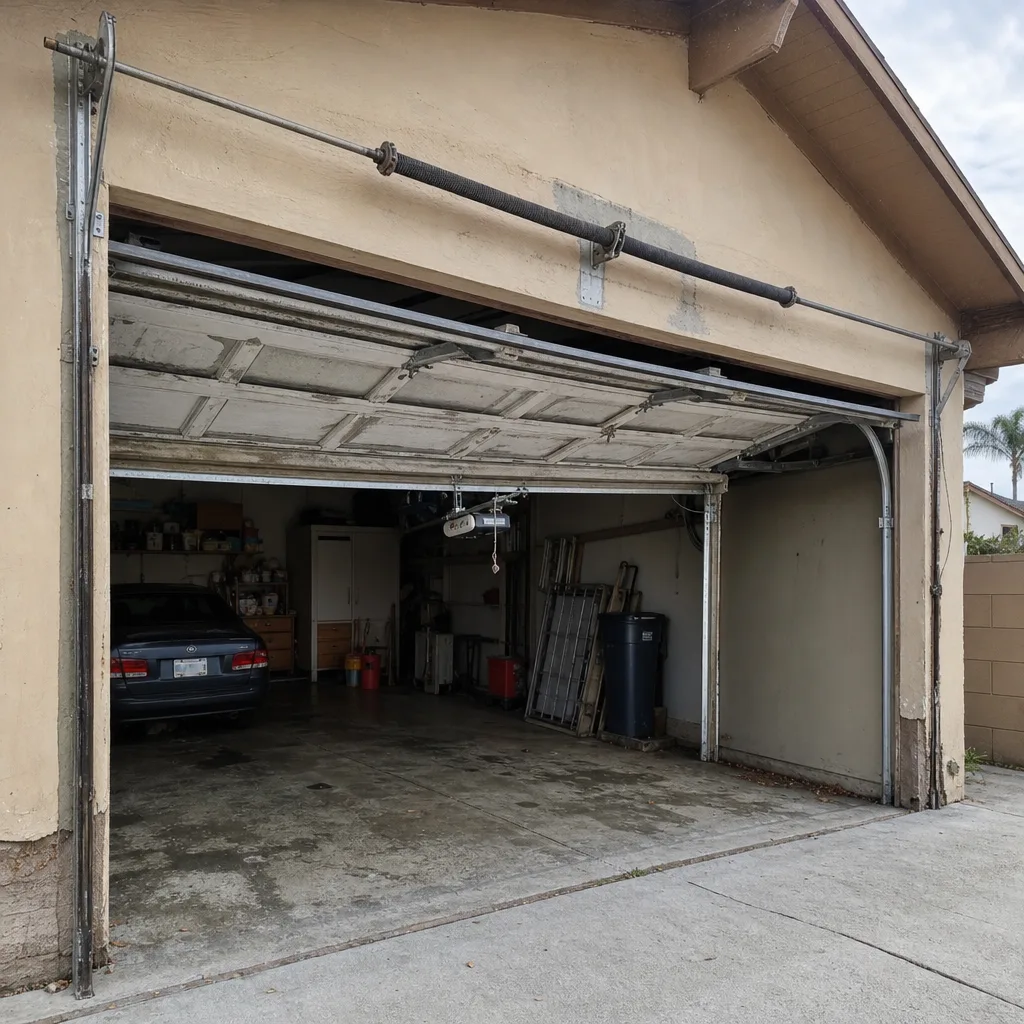 Before
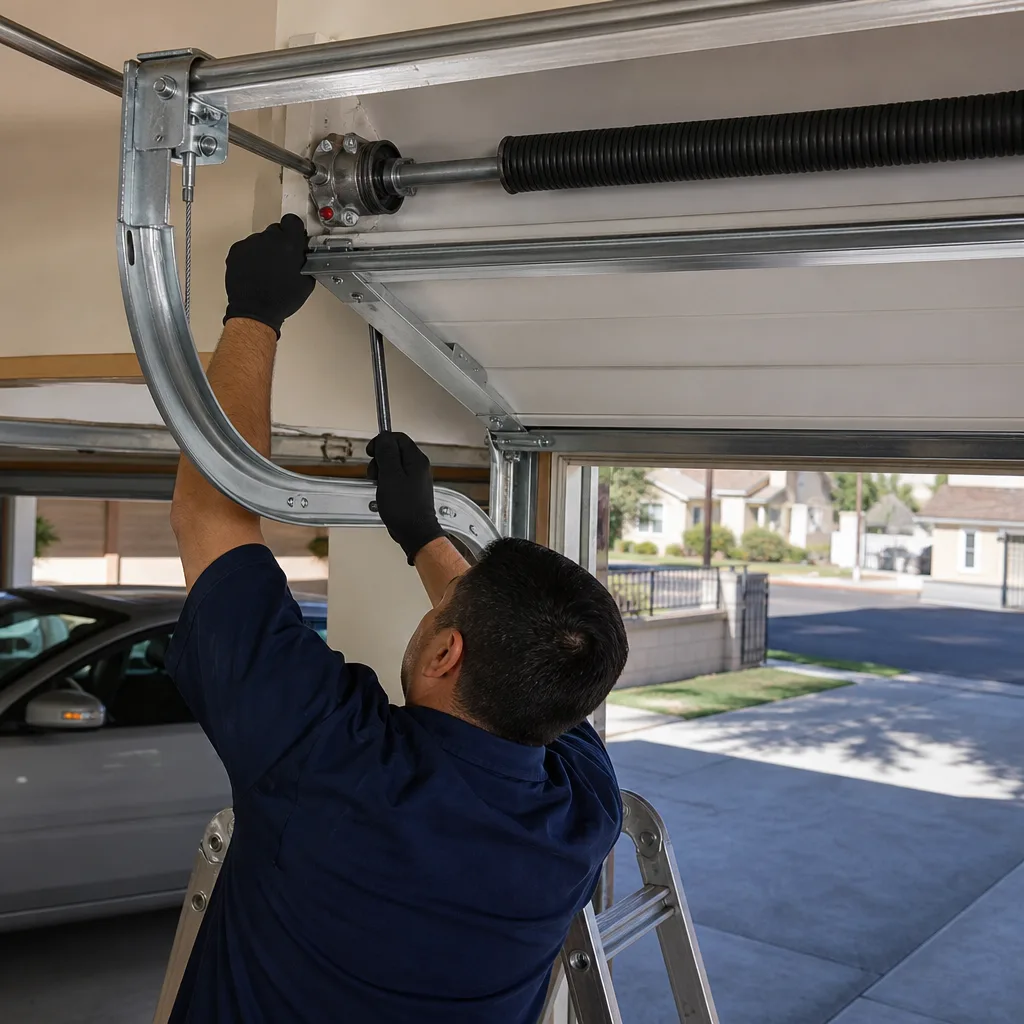 After
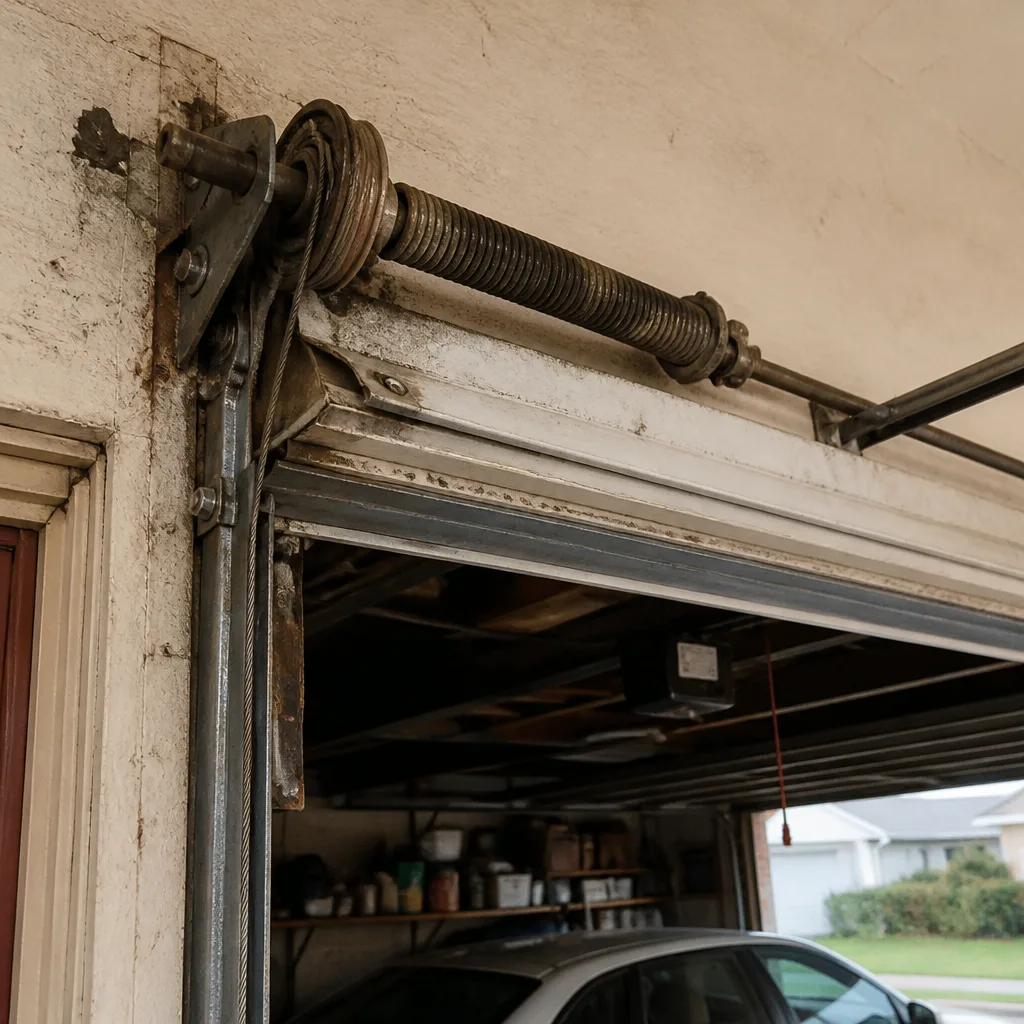 Before
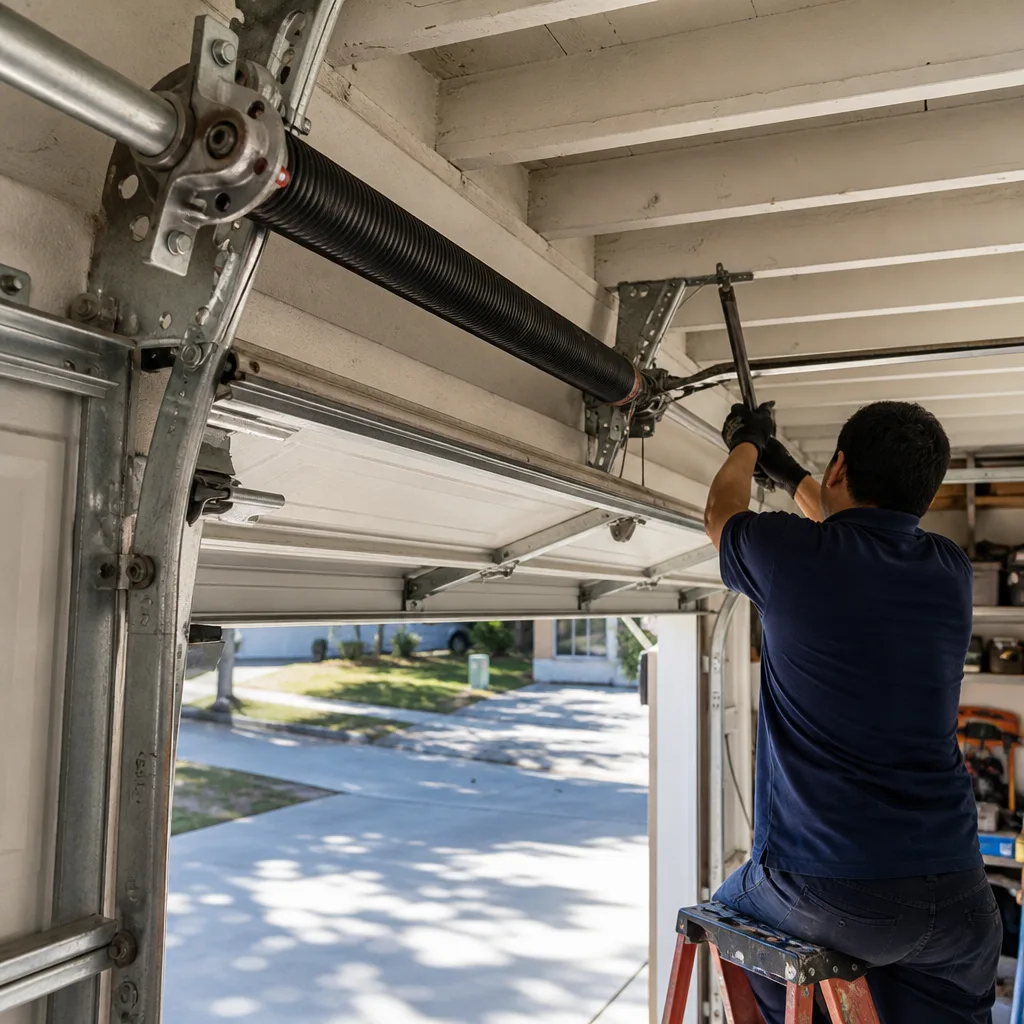 After